Henry River Mill Village: The Real Story Behind the “District 12” Ghost Town in North Carolina
Henry River Mill Village was once a busy mill town. Today, you can see what time, neglect, and abandonment left behind. The 360-degree photos below let you move through the property and look at it from nearly every angle. See the old details. Peek into the empty rooms. It’s the next best thing to being there.
Click here to view it in fullscreen.
What Is Henry River Mill Village?
Henry River Mill Village is an old mill town in Burke County, North Carolina, near Hickory and Hildebran. Workers lived here and made cotton yarn at the mill. Today, the old wooden houses and the brick company store are still standing. Many people call it a ghost town. Photographers, history fans, and URBEX explorers love it. You may also know it as District 12 from The Hunger Games.
When Was Henry River Mill Village Built?
Most people say 1905. The real story has three dates:
- 1902: The company was formed and building began.
- 1903: The mill was probably making yarn by this time.
- 1905: The village was finished and looked like the one people remember.
So 1905 is the date you’ll see most often, but the village really grew over a few years.
Why Was the Village Built Here?
The answer is the river. In the early 1900s, mills needed power to run their machines, and flowing water was a cheap way to get it. The company built a dam on the Henry Fork River to power the mill.
Then there was another problem. The mill was out in the country, with no town nearby, so the company had to build one. It built about 35 houses, a company store, a boarding house, roads, and a reservoir. This kind of place is called a company town.
What Is a Company Town?
A company town is a place where one company runs almost everything. At Henry River, the company:
- gave workers their jobs
- owned their houses
- ran the store
- took care of the roads and water
There was no mayor. The company was in charge.
What Was Life Like at Henry River?
It was simple, and it was hard. The houses were small wooden homes with porches and brick chimneys. Some were duplexes, so two families could live in one building.
None of the houses ever had indoor plumbing. Families used wells and outhouses.
Even so, it was a close community. Families grew gardens. Neighbors helped each other. Some people fixed cars, sold blackberries, or cut hair. One person even ran a small photo studio upstairs in a house in the 1940s. The village had a baseball field, church services, and school classes too.
What Was the Company Store?
The company store is the big two-story brick building built around 1905. It was the center of the village. It was:
- a grocery store
- the post office
- the mill office
- a place for school, church, and meetings
Workers could even pay with special zinc tokens called “doogaloos.”
What Did the Mill Make?
The mill made cotton yarn. At first it had about 4,000 spindles, which are the parts that twist cotton into yarn. Later it grew to about 10,300 spindles and around 125 workers. In the 1950s, it made yarn for things like lace, gloves, and electrical insulation.
The mill’s power changed over time:
- Water power at the start
- Steam power in 1914
- Electric power by 1926
Why Did Henry River Mill Close?
No single thing closed it. By the later 1900s, American textile mills were struggling to compete with mills in other countries, and many shut down across North Carolina.
Henry River Mill stopped making yarn in 1970. It had been running for about 65 years.
Did a Fire Close the Mill?
This is a common mix-up, and the answer is no. The mill closed in 1970. The fire came seven years later.
In August 1977, a fire destroyed the mill during a thunderstorm. Experts think lightning may have started it. The new owner had hoped to start up the mill again, but the fire ended that dream. Families slowly moved away, and the houses began to fall apart.
How Did Henry River Become District 12?
In 2011, movie makers were looking for a place to film The Hunger Games. They found Henry River. It looked just like the poor, worn-down home of Katniss, Peeta, and Gale.
- The old company store became part of District 12.
- The wooden houses became “the Seam,” where Katniss lived.
The movie came out in 2012. Millions of people saw the village, and visitors started showing up from all over.
Is Henry River Mill Village a Historic Place?
Yes. On May 9, 2019, it was added to the National Register of Historic Places. That wasn’t because of the movie. It was because the village is one of the best-preserved mill towns around. About 20 of the original houses are still standing.
Can You Visit Henry River Mill Village Today?
Yes, but you can’t just wander in. The village is private property. It now offers tours, events, and places to stay. Here’s how to visit the right way:
- Follow the posted rules.
- Stay out of closed areas. Old buildings can have rotten floors, weak stairs, and sharp metal.
- Check the rules before you bring a camera setup. Tripods, drones, and paid photo shoots may need permission.
Visiting the legal way is also the best way. You get to learn the history without the risks of trespassing.
Fast Facts About Henry River Mill Village
| Question | Answer |
|---|---|
| Where is it? | Burke County, North Carolina |
| When was it built? | About 1902–1905 |
| What did the mill make? | Cotton yarn |
| When did the mill close? | 1970 |
| When did the fire happen? | August 1977 |
| When was The Hunger Games filmed there? | 2011 |
| When did it join the National Register? | May 9, 2019 |
| Can you visit? | Yes, through official tours and events only |
Why Does Henry River Matter?
Henry River shows us how a whole community can grow around one factory. The mill needed workers, so houses were built. Workers needed supplies, so a store was built. Everything had a reason.
When the mill closed, the village slowly emptied out. But the buildings stayed, and now we can still see how people lived.
Cotton yarn built Henry River. Time left it standing. Hollywood made it famous. And now preservation is working to keep it around.
If you liked this blog post, you might be interested in learning about the abandoned Super 8 by Wyndham Asheville-Biltmore, the The Domes of Casa Grande in Arizona, or the Goddard Mansion in Maine.
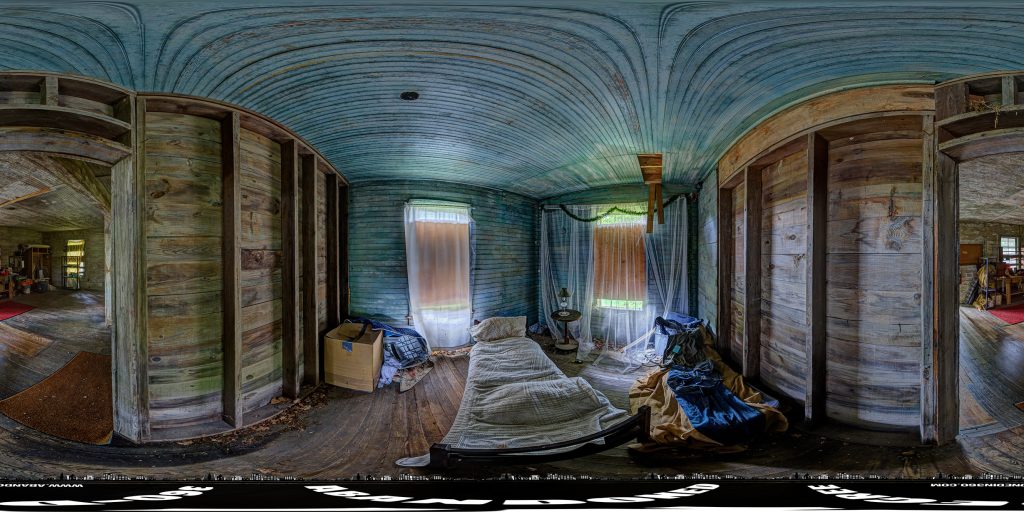
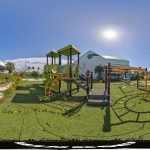
A 360-degree panoramic image captured at the Henry River Mill Village Burke County, North Carolina. Photo by the Abandoned in 360 URBEX team.
Welcome to a world of exploration and intrigue at Abandoned in 360, where adventure awaits with our exclusive membership options. Dive into the mysteries of forgotten places with our Gold Membership, offering access to GPS coordinates to thousands of abandoned locations worldwide. For those seeking a deeper immersion, our Platinum Membership goes beyond the map, providing members with exclusive photos and captivating 3D virtual walkthroughs of these remarkable sites. Discover hidden histories and untold stories as we continually expand our map with new locations each month. Embark on your journey today and uncover the secrets of the past like never before. Join us and start exploring with Abandoned in 360.
Equipment used to capture the 360-degree panoramic images:
- Canon DSLR camera
- Canon 8-15mm fisheye
- Manfrotto tripod
- Custom rotating tripod head
Do you have 360-degree panoramic images captured in an abandoned location? Send your images to Abandonedin360@gmail.com. If you choose to go out and do some urban exploring in your town, here are some safety tips before you head out on your Urbex adventure. If you want to start shooting 360-degree panoramic images, you might want to look onto one-click 360-degree action cameras.
Click on a state below and explore the top abandoned places for urban exploring in that state.
You might also like




Leave a reply