Exploring Spitzer Castle: Urban Exploring in Serbia’s Forgotten Mansion
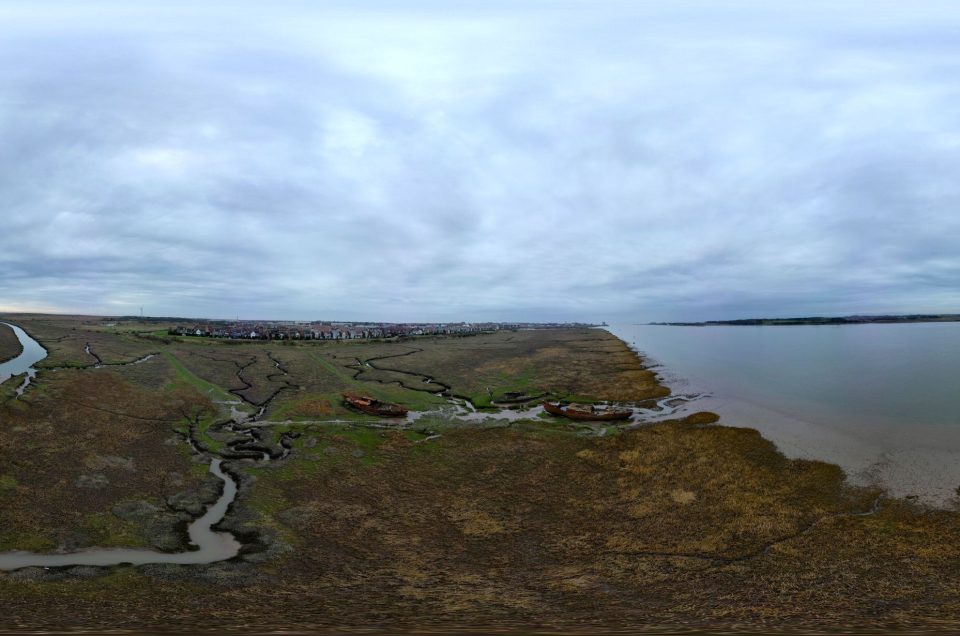
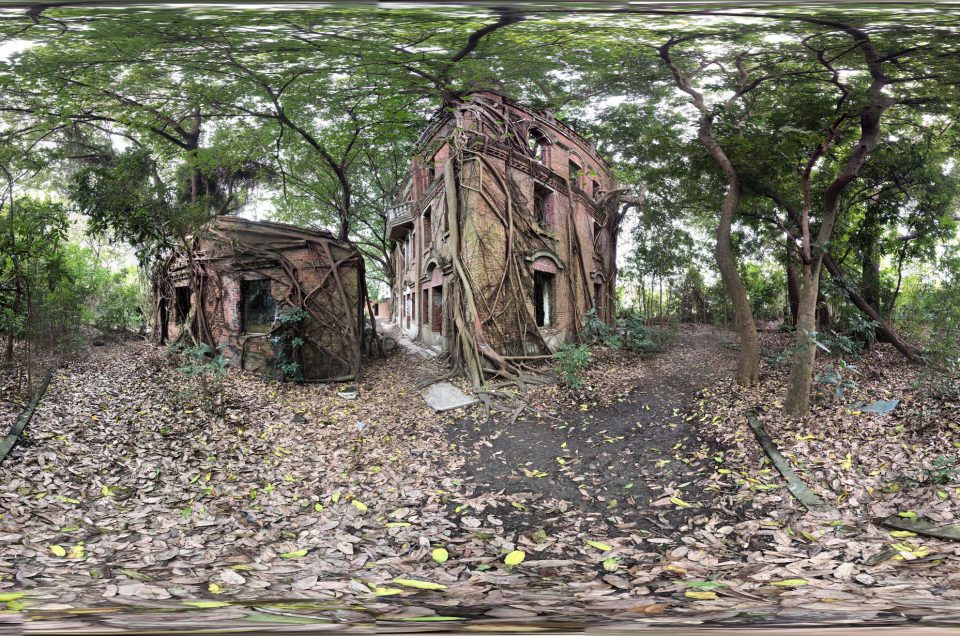
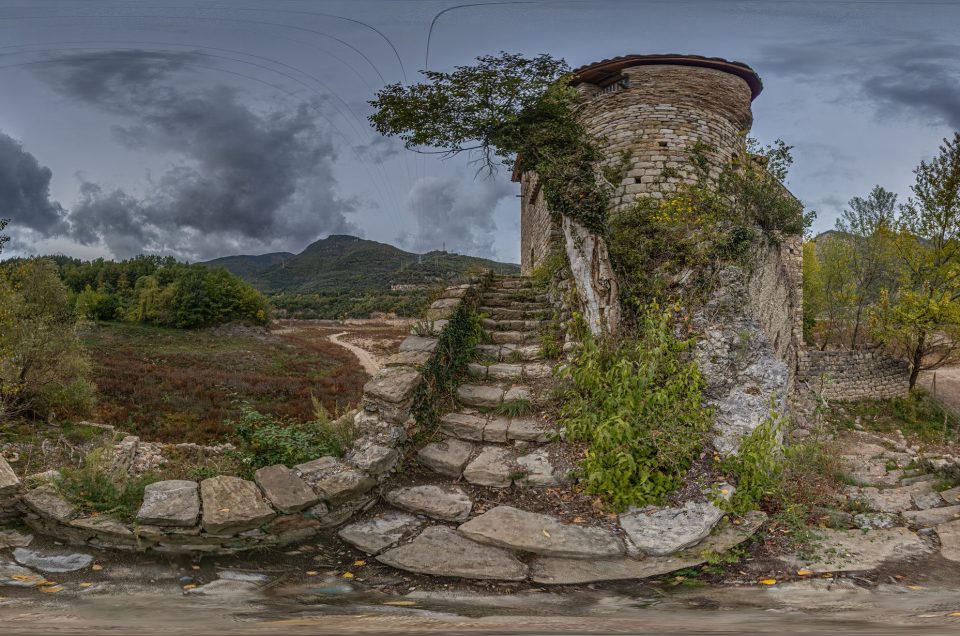
Spitzer Castle stands as one of Serbia’s most intriguing forgotten landmarks, drawing the attention of urban explorers who appreciate decaying architecture and hidden history. The panoramic images below offer a unique look inside Spitzer Castle, revealing its worn details, abandoned spaces, and the atmosphere that still lingers throughout the property.
This 360-degree virtual tour on Google Maps Street View gives viewers the chance to explore Spitzer Castle from multiple angles and take in the character of this remarkable site at their own pace. From weathered surfaces to striking architectural features, Spitzer Castle offers a memorable look at a location that continues to fascinate the URBEX community.
Spitzer Castle in Beočin is a relic of a bygone era that has become a magnet for urban explorers. Locals call it the “house of ghosts,” and photographs of its crumbling turrets and overgrown terraces circulate across URBEX forums. The mansion once stood as a proud symbol of industrial success, yet today it sits abandoned in Serbia and slowly succumbing to time. This blog will take you on a richly detailed journey through the castle’s history, architecture, stories and legends, and its present appeal for urban exploring in Serbia. We’ll look at why it was built, who lived there, what activities occurred inside its walls, the reasons for its abandonment, and why it continues to captivate adventurers. Whether you’re planning a URBEX trip or simply love discovering forgotten places, this guide will immerse you in the haunting beauty of Spitzer Castle.
A Brief Overview of Spitzer Castle
Before diving into the history and mysteries of the estate, it helps to set the scene. Spitzer Castle (also spelled Špiccer or Špicer) sits on a hill on the edge of Beočin, a town near the river Danube in the Vojvodina region of northern Serbia. The castle was built in the late 19th century by Eduard (Ede) Spitzer, a wealthy industrialist and co‑owner of the Beočin cement factory. Sources differ slightly on the exact year of construction: some say 1892, others 1898, while a carved stone above the backyard door reportedly reads “1899.” Regardless, the mansion represented one of the first examples of eclectic architecture and Hungarian Art Nouveau in the region. Its interiors boasted a central hall with a majestic Zsolnay ceramic fireplace and stained‑glass windows, while the façade featured dragons, birds and other fanciful motifs. The Spitzer family lived in this opulent residence until World War II; afterwards the building was nationalised and repurposed for various civic functions. Over the decades it became a library, cultural centre, sports club headquarters, radio station, home for disabled persons and even an exclusive restaurant. Unfortunately, negligence and economic changes led to its abandonment in the 1990s. Today, urban explorers thread their way past overgrown weeds and broken windows to experience one of the most atmospheric ruins in Serbia.
Building the Castle: Origins and Construction
The Spitzer Family
To understand why this grand residence was built, it’s necessary to meet the man behind it. Eduard “Ede” Spitzer was part of a family of Ashkenazi Jewish/German origin who emigrated from Visegrád (now in Hungary). The Spitzer family became wealthy co‑owners of the Beočin cement plant, a company called “Redlich, Orenstein und Spitzer.” In 1887 they purchased the cement works near Beočin with partners Baron Heinrich Orenstein and David Redlich. Eduard later married Ana Orenstein, the baron’s daughter, forging deeper ties between the families. As the cement factory prospered, the Spitzer fortune grew. Ede decided to build a prestigious family residence near the plant as both a comfortable home and a showcase for their products. Having become one of the wealthiest landowners in the region, he wanted a house that reflected his status.
Year of Construction
Sources disagree on when Spitzer Castle was built. The Serbian heritage website Dvorci Srbije states that it was constructed in 1898 and opened shortly thereafter. The Diplomatic & Commerce article also places the construction in 1898, noting that the castle was created for a wealthy family of German landowners. Conversely, Fruskac and Abandoned Spaces claim the building was completed in 1892. A traveler’s comment on Timetravelturtle mentions that a stone above the backyard door reads “1899,” implying that finishing touches continued into that year. Since multiple sources provide slightly different years, it’s safest to conclude that construction took place in the final decade of the 19th century. The castle would have opened around 1898–1899, serving as the Spitzer family home for a little over four decades.
Architect Imre Steindl and Eclectic Design
Eduard Spitzer commissioned the renowned Hungarian architect Imre Steindl to design his mansion. Steindl was famous for creating the Hungarian Parliament building in Budapest and several churches and palaces across Central Europe. For the Beočin project, he opted for an eclectic style that blended Romanesque, Gothic, Renaissance, Baroque and Art Nouveau elements. The building’s exterior features pointed arches, decorative plasterwork, turrets and animal motifs, while the interior reflects Hungarian Art Nouveau (also called Sezession). According to heritage documents, the walls were painted in pastel shades of pink and blue, and the central hall contained a green Zsolnay fireplace surrounded by triforiums and wooden galleries. The combination of styles resulted in an unusual yet harmonious appearance that still stands out among Serbian castles. Elements such as stained‑glass windows, wrought‑iron balconies and decorative reliefs of lions, dragons and birds were designed both as aesthetic statements and as advertisements for the Spitzer cement factory.
The Grand Estate: Park and Garden
The castle stood within a vast landscaped park known as Spitzer Garden. The two‑storey building was asymmetrical with a portico and stone steps leading to a terrace; a pavilion, fountains, pools and gazebos dotted the grounds. The garden also housed deer and peafowl, which roamed freely. When the castle was built, the surrounding park was planted simultaneously with exotic trees, lush shrubs and ornamental flowers. This serene environment offered the Spitzer family a secluded retreat while still being near their thriving cement plant. Visitors approaching the house along the winding road from Beočin monastery would have seen the mansion rising above manicured lawns, with views of the Danube in the distance. Today, the park is overgrown, but traces of terraces and walkways still guide curious explorers.
Life in the Castle: Daily Activities and Social Events
Family Residence and Social Hub
For around four decades the Spitzer family used the mansion as their primary residence. The lavish interiors, decorated in the Hungarian Sezession style, provided a comfortable setting for family life and social gatherings. The central hall, with its green Zsolnay fireplace, would have been the heart of the house, serving as both a reception space and a meeting place during long winters. The family likely hosted business associates, local dignitaries and members of the Austrian‑Hungarian elite. Evidence suggests that the Spitzer’s guests enjoyed strolling in the park, watching deer and peafowl, and visiting the gazebo or pavilion for tea. The castle embodied the fusion of industrial success and aristocratic lifestyle typical of the Belle Époque in Central Europe.
Industrial Demonstration Site
Eduard Spitzer’s decision to build the castle near his cement factory served a practical purpose beyond comfort. According to modern travel accounts, he wanted to demonstrate the quality and variety of the cement his factory produced. The castle’s foundations, walls and decorative details showcased different masonry techniques and types of cement. Business partners visiting the estate could see first‑hand the durability and aesthetic possibilities of Beočin cement. This marketing strategy contributed to the factory’s growing reputation, which in turn reinforced the family’s wealth and social standing. In this way the castle functioned as a corporate showroom as well as a home.
Cultural and Artistic Influence
The mansion was not merely a site for business and leisure; it also nurtured artistic activities. The architecture itself is a testament to the Art Nouveau movement sweeping Europe at the time. Later, in the mid‑20th century, the Serbian poet and painter Miroslav Mika Antić used part of the castle as his studio. Antić was a celebrated poet known for his bohemian lifestyle and colourful verses. His presence within the castle’s walls added to its cultural significance and mystique. This connection between industrial wealth and art underscores how Spitzer Castle transcended its role as a family home to become a creative haven.
From Prosperity to Decline: War and Nationalisation
The Family’s Departure and War Years
The peaceful existence of Spitzer Castle ended with the turmoil of World War II. The Spitzer family, being of Jewish/German origin, faced increasing danger as the region fell under Nazi occupation. Sources generally agree that the family left Beočin around 1941 or slightly earlier. Some accounts suggest they fled to Germany, while others imply they were forced to abandon the castle due to persecution. Their departure marked the beginning of the estate’s downward spiral. During the war the castle served as a command post for the German military. Soldiers occupied the rooms and used the gardens for drilling exercises. The once‑lavish interiors were stripped of valuable objects, and the building sustained damage from wartime use.
Nationalisation and Civic Functions
After the war, Yugoslavia’s new socialist government nationalised many private properties, including Spitzer Castle. The mansion was repurposed for a variety of public functions. It housed a school and the town library; it served as a cultural centre, hosting concerts and plays; it became headquarters for a handball club and the first local radio station. At one point it functioned as a home for disabled persons and later an exclusive restaurant. These uses extended the building’s life and integrated it into community life. However, the constant change of tenants and lack of consistent maintenance led to gradual deterioration. Replacement of original fixtures with utilitarian materials eroded the castle’s historic integrity, and few resources were devoted to proper preservation.
Post‑Socialist Transition and Abandonment
The collapse of Yugoslavia and the transition from a socialist to a market economy in the 1990s deeply affected Serbia’s industrial sector. The Beočin cement factory underwent privatization, and the castle — owned by the factory — fell under unclear management. Once Podunavlje (the company operating the factory) was privatized, the building was left without funds for upkeep. At the same time, the community’s focus shifted towards economic survival rather than heritage conservation. As the roof began to leak and windows broke, squatters and vandals took over. By the late 1990s the castle was mostly abandoned. Locals started calling it the “house of ghosts” because of rumours that spirits haunted the empty rooms. A heavy downpour in winter 2011 caused part of the entrance porch to collapse. Despite being declared a cultural monument in 1997, the state provided only minimal protection, covering the structure with a temporary roof that has since deteriorated.
Architecture and Artistic Details: A Visual Tour
Exterior Elements
Approaching the castle, the first thing urban explorers notice is the eclectic façade. The two‑storey building is asymmetrical, with towers and turrets that recall a fairy‑tale château. The walls are made of high‑quality Beočin cement, demonstrating different textures and finishes. On the main façade, decorative plaster reliefs depict dragons, birds and lions. These fantastical creatures guard arched windows framed by slender columns. The roofline features gables and dormer windows reminiscent of Gothic architecture, while the stone balustrades evoke Renaissance palaces. Over time, many of these elements have crumbled or been stolen, but careful observers can still see traces of the original craftsmanship.
Interior Highlights
Inside, the central hall once served as the heart of the home. It was dominated by a green Zsolnay ceramic fireplace from the famous Hungarian manufactory. Zsolnay ceramics were prized for their shimmering metallic glazes, and this particular fireplace showcased the family’s taste and wealth. Above the hall, a wooden gallery allowed residents to look down on guests from upper rooms. The walls were adorned with stylised floral and plant motifs, typical of the Art Nouveau movement. Large stained‑glass oculuses filtered sunlight into colourful patterns across the floor. Wrought‑iron staircases with swirling designs connected the levels. Although vandals have stripped many furnishings, explorers can still see fragments of wall paintings and mosaic tiles.
The Park and Outbuildings
The grounds of Spitzer Castle once rivalled its interior in splendour. The park, created simultaneously with the house, contained ponds, fountains and a gazebo. Paths wound through flower beds and under ornamental arches. Deer and peafowl roamed freely, adding life to the estate. The property also included service buildings such as a coach house, stables and quarters for servants. A decorative fence and gate, with ironwork echoing the motifs on the castle, marked the entrance. Today, the park is overgrown with weeds and trees, but keen eyes can make out the stone basin of a fountain or the outline of a former pond. Urban explorers describe hearing rustling leaves and birds while walking these neglected grounds. The contrast between the natural regrowth and the man‑made ruins creates a surreal atmosphere.
Legends and Ghost Stories
Like many abandoned castles, Spitzer is surrounded by legends. One of the most persistent stories involves Eduard Spitzer’s daughter Johanna (sometimes called Jovana). According to local lore, she fell in love with a man below her social class. Her father forbade the relationship, and in despair she threw herself off one of the castle’s towers or drowned in a nearby river. The tale ends with her ghost wandering the halls, causing unexplained noises and cold drafts. Another legend mentions a sculptor called Nador who carved the castle’s animals; after birds attacked him, he supposedly cut off his seventh finger in frustration. While these stories may lack historical evidence, they contribute to the aura of mystery that draws URBEX enthusiasts. During explorations, some visitors report feeling uneasy or sensing a presence watching them. Whether one believes in ghosts or not, the combination of decaying architecture and local myths adds to the castle’s haunting appeal.
Film and Pop Culture Connections
Spitzer Castle’s cinematic appearance has made it a popular film location. Directors have used the building’s decaying interiors and Gothic exterior to represent everything from wartime headquarters to haunted mansions. Among the notable movies filmed there are the Yugoslav film Scorching City (1961), Holy Sand (1968), Early Works (1969), and the Hollywood war comedy Kelly’s Heroes (1970) featuring Clint Eastwood. Later films include Breakfast with the Devil (1971), Boy and the Violin (1975), Black Cat, White Cat (1995) by Emir Kusturica and The Brothers Bloom (2008). The last film, a Hollywood caper starring Adrien Brody and Mark Ruffalo, used the castle as an exotic European hideout. Filming brought temporary renovations and international attention, but it did not result in long‑term preservation. The castle’s filmography enhances its cultural relevance and provides another layer for urban explorers to appreciate.
Reasons for Abandonment
Urban explorers often wonder why such a beautiful building is abandoned. Several factors contributed to Spitzer Castle’s decline:
-
Political upheaval and war: The Spitzer family fled before WWII due to their Jewish/German heritage. German military occupation altered the building and stripped it of valuables.
-
Nationalisation and overuse: After the war, the Yugoslav government nationalised the property and repurposed it for multiple functions without consistent maintenance. Continuous use by different organisations, combined with limited budgets, caused wear and tear.
-
Economic transition: The privatization of the Beočin cement factory left the castle without a clear owner or maintenance funds. This led to neglect and eventual abandonment.
-
Vandalism and theft: Once unoccupied, the castle became a target for vandals, scrap metal thieves and graffiti artists. They removed metal railings, doors and even pieces of the decorative façade.
-
Structural damage: Leaking roofs and cracked walls allowed water to infiltrate. Heavy rainfall in 2011 caused part of the entrance porch to collapse, accelerating the building’s deterioration.
-
Administrative inertia: Despite being declared a cultural monument in 1997, the castle has not received the large‑scale restoration necessary to secure it. Bureaucratic hurdles and lack of funding continue to hamper preservation efforts.
Understanding these reasons helps explain why such a landmark could become abandoned in Serbia. It also underscores the importance of heritage protection and the challenges faced by many historic properties in the region.
Urban Exploring Spitzer Castle: An Adventurer’s Guide
Spitzer Castle has become a pilgrimage site for urban explorers, photographers and history enthusiasts. Its eerie corridors and overgrown park offer endless opportunities for creative exploration. If you’re planning a visit, consider the following insights:
Entering the Site
The castle stands on private property owned by the local municipality. Officially, access is restricted due to safety concerns; signs warn that entry is prohibited because of structural instability. Nonetheless, many explorers have slipped through gaps in the fence. If you choose to visit, be respectful and mindful of the law. Wearing sturdy shoes, gloves and a helmet is advisable. Some parts of the structure have collapsed or may collapse, and the floors and staircases are unstable. Explore with at least one companion, carry a flashlight, and avoid touching or climbing on fragile elements.
Navigating the Interior
Upon entering, you might step into what remains of the grand hall. Look up to find pieces of the decorative ceiling and traces of the gallery. You may see the outline of the Zsolnay fireplace (though the ceramic tiles were stolen long ago). Graffiti covers many walls, and glass crunches underfoot. Try to imagine the space as it was: pastel walls, marble floors and stained glass radiating sunlight. Be cautious near the staircases — some steps have large cracks. The basement rooms are dark and damp; homeless people sometimes use them as shelter, so move carefully and respectfully. Upstairs, you may find rooms with partially preserved wall paintings or remnants of decorative plaster.
Exploring the Grounds
Take time to wander through the park. The ruins of fountains, pools and a gazebo can still be found. Overgrown vines and tall trees create natural “rooms” within the garden, offering atmospheric photo opportunities. Listen for birds and the rustling of leaves—they add to the haunting ambience. Do not leave trash; take only photographs and leave only footprints.
Respecting Local Context
Although the castle is abandoned in Serbia, it is still a significant cultural monument. Locals call it a ghost house and some fear it may collapse or catch fire. Do not light candles or start fires inside. Understand that the community cares about this building even if it lacks funds for restoration. Urban explorers can help by raising awareness and respecting the site. If you interact with locals, be polite and share your interest in history and preservation.
Safety Considerations
Spitzer Castle is not maintained; it poses real risks. Besides structural hazards, there may be animals, insects or people inside. The property can be muddy after rain; water enters through holes in the roof. Bring a first aid kit and a charged phone. Let someone know where you are going. Urban exploring always involves some risk, but careful preparation can mitigate it.
Historical Significance and Cultural Value
Despite its ruinous state, Spitzer Castle holds immense historical and cultural significance for Serbia and the broader region. Here’s why:
-
Architectural rarity: The castle is one of the few examples of eclectic architecture and Hungarian Art Nouveau in Serbia. Its blend of styles makes it valuable for architectural historians.
-
Industrial heritage: The building symbolizes the economic boom brought by the Beočin cement factory in the late 19th century. It stands as a reminder of how industrial success shaped social and cultural life.
-
Cultural monument status: The Serbian government declared the castle a cultural monument in 1997. This recognition acknowledges its historical importance and potential as a tourist attraction.
-
Film heritage: Numerous films shot at the castle contribute to Serbian and international cinema. The building serves as a backdrop for stories about war, romance and mystery.
-
Local identity: For the people of Beočin, the castle represents both pride and sorrow. They see it as an emblem of their town’s history and a reminder of lost opportunities.
The Present and Future of Spitzer Castle
Current Condition
The castle today is a ruin. Windows and doors have been broken or removed; walls are cracked; the roof has partially collapsed. The protective roof installed in 2011 is leaking and fails to prevent water damage. Yet the building’s skeleton remains majestic. Many architectural details, such as plaster decorations and stained‑glass fragments, survive under layers of dust. The grounds are overrun with vegetation, but the layout of the park is discernible. The site receives occasional visitors, including urban explorers, historians and film crews.
Preservation Efforts and Challenges
Attempts to save Spitzer Castle have been sporadic. Local heritage organizations have advocated for restoration, but funding remains elusive. In 2011 the municipality installed a temporary roof to slow deterioration, but heavy rainfall soon damaged it. High costs, estimated at several million euros, deter government investment. Private investors have shown interest: for instance, filmmaker Emir Kusturica reportedly offered to buy the castle, but his proposal was not accepted. Because the property is designated as a cultural monument, legal restrictions limit development options. Some locals envision converting it into a museum, hotel or cultural center. Without a comprehensive conservation plan and sustainable funding, however, the castle’s future remains uncertain.
Potential for Sustainable Tourism
Despite these challenges, there are reasons for optimism. The global popularity of URBEX and heritage tourism demonstrates that abandoned sites can become assets. If stabilised and partially restored, Spitzer Castle could attract visitors interested in architecture, history and adventure. Local authorities could create guided tours, photography workshops and educational programs. The park could be revived as a public green space. Revenue generated from tourism could fund maintenance and support community projects. Success stories such as Romania’s Hunedoara Castle or Bosnia’s Jajce fortress show that heritage sites in Eastern Europe can be transformed into tourist destinations with proper investment and management. Collaboration between the municipality, the Serbian Ministry of Culture, private partners and international heritage organizations may offer a path forward.
Urban Exploring in Serbia: Context and Tips
Spitzer Castle is just one of many abandoned places that draw urban explorers to Serbia. The country’s turbulent history — Ottoman rule, Austro‑Hungarian influence, two World Wars, socialism and the breakup of Yugoslavia — has left behind numerous neglected buildings, from factories and hospitals to villas and fortresses. Urban exploring in Serbia offers a unique window into these layers of history. However, explorers should be mindful of local laws and customs. Trespassing can lead to fines, and some sites contain hazardous materials or unstable structures. Joining a local URBEX group or contacting heritage organizations may provide safer opportunities. Additionally, urban exploring presents ethical questions about intrusion and preservation. Responsible explorers respect the “leave no trace” principle and share their experiences to advocate for the protection of abandoned sites.
Conclusion: The Lure of Spitzer Castle
Spitzer Castle, with its crumbling turrets, overgrown gardens and haunting legends, embodies the fascination of abandoned in Serbia sites. Built in the late 19th century by industrialist Eduard Spitzer as a family home and demonstration of cement prowess, it became a center of social life and artistic expression. War, nationalization and economic transitions eventually led to its decline. Today, urban explorers roam its halls, capturing photographs of peeling paint and sunbeams filtering through broken windows. Although the castle is a shadow of its former glory, its architectural details, stories and cinematic connections continue to captivate visitors. Preserving Spitzer Castle would not only honor the memory of those who lived and worked there, but also provide a powerful tourist attraction and educational resource. Until that happens, the mansion stands as a testament to both human achievement and neglect — and a perfect destination for adventurous URBEX travelers.
If you liked this abandoned location, you might be interested in the Asheville Waste Paper, the Powell Building or the Tilbury Fort in the United Kingdom.
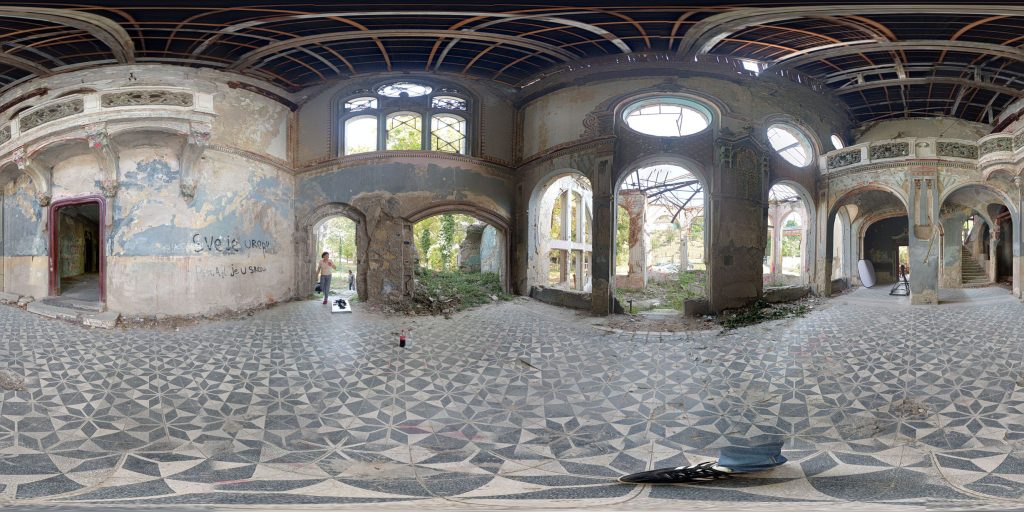
A 360-degree panoramic image captured at the Spitzer Castle in Serbia. Photo by: Nenad Veric
Welcome to a world of exploration and intrigue at Abandoned in 360, where adventure awaits with our exclusive membership options. Dive into the mysteries of forgotten places with our Gold Membership, offering access to GPS coordinates to thousands of abandoned locations worldwide. For those seeking a deeper immersion, our Platinum Membership goes beyond the map, providing members with exclusive photos and captivating 3D virtual walkthroughs of these remarkable sites. Discover hidden histories and untold stories as we continually expand our map with new locations each month. Embark on your journey today and uncover the secrets of the past like never before. Join us and start exploring with Abandoned in 360.
Do you have 360-degree panoramic images captured in an abandoned location? Send your images to Abandonedin360@gmail.com. If you choose to go out and do some urban exploring in your town, here are some safety tips before you head out on your Urbex adventure. If you want to start shooting 360-degree panoramic images, you might want to look onto one-click 360-degree action cameras.
Click on a state below and explore the top abandoned places for urban exploring in that state.
You might also like