Abandoned Dupree Gardens: Florida’s Forgotten 1940s Paradise
Dupree Gardens was once a beautiful Florida attraction that drew visitors in with its lush landscaping, winding paths, and old-world charm. Dating back to the 1940s, this former theme park now survives mostly through scattered remnants that hint at what once made it so special.
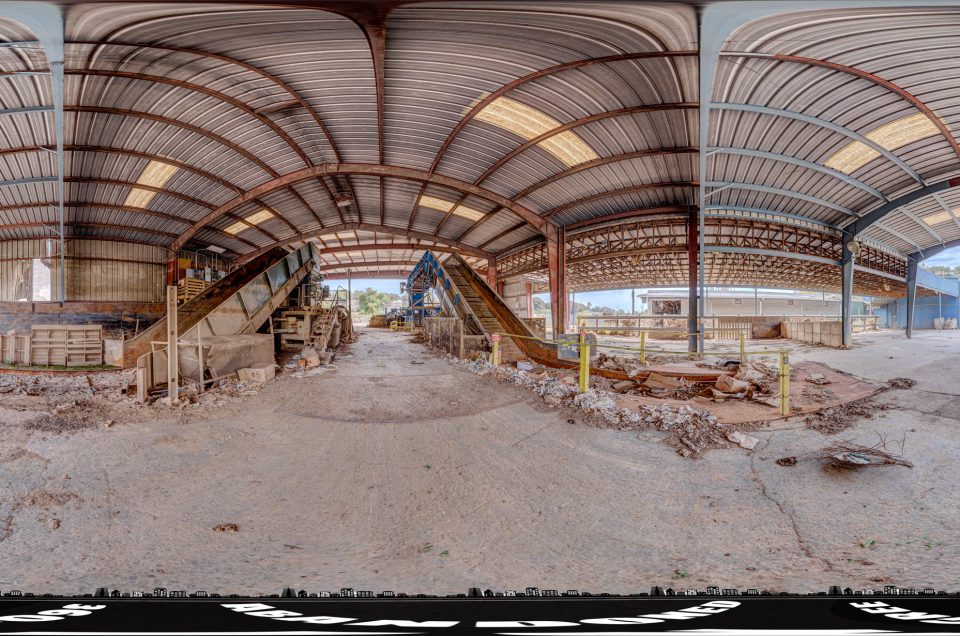
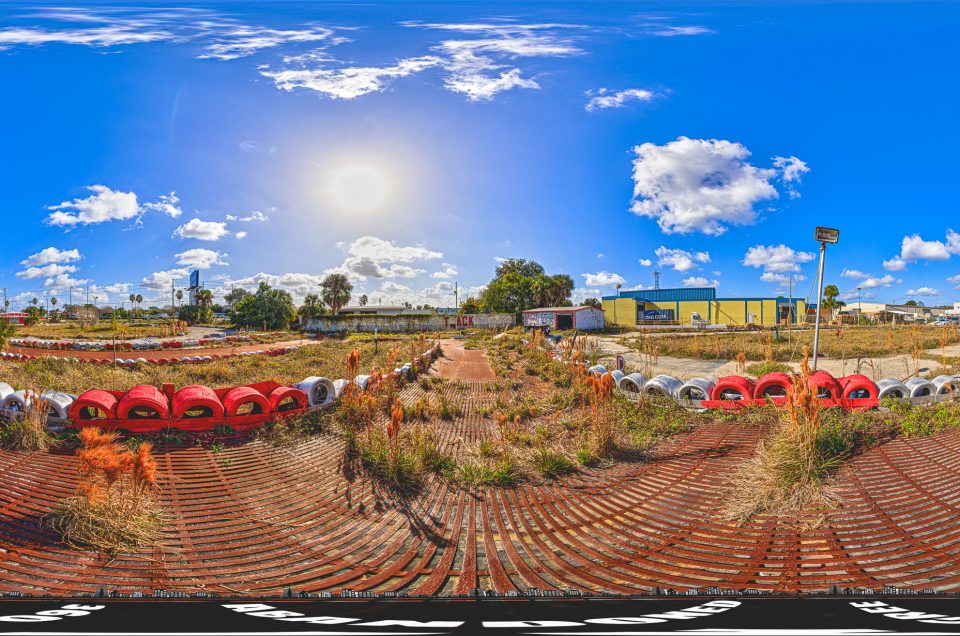
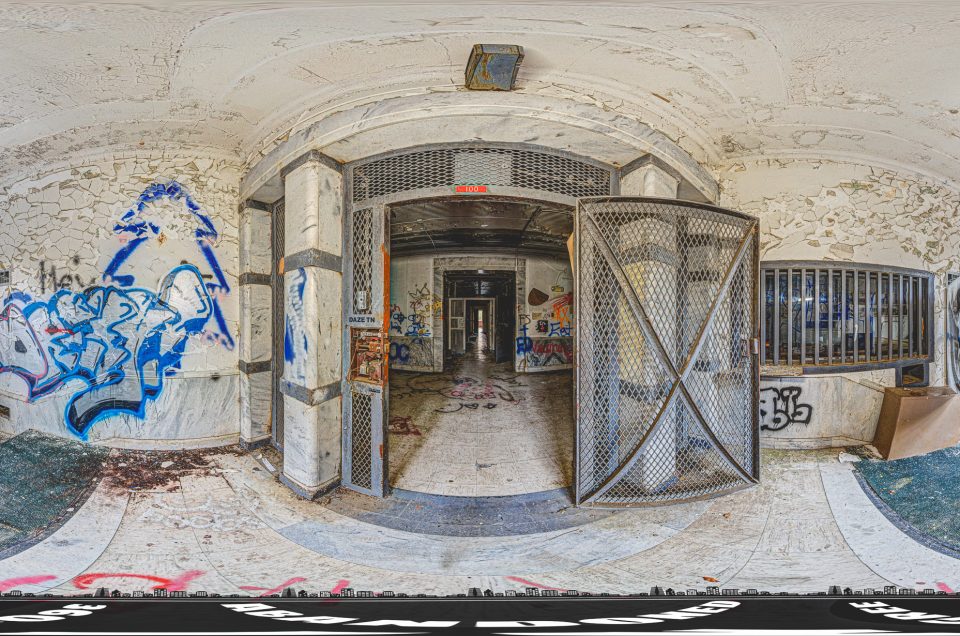
Today, Dupree Gardens stands as a haunting reminder of a forgotten past, making it an intriguing stop for urban explorers who appreciate history, decay, and abandoned places. Take a 360-degree look at the ruined gatehouse and see how time has transformed this once-celebrated destination into a striking scene of abandonment.
Click here to view it in fullscreen.
Hidden in the heart of Land O’ Lakes, Florida, lies an overgrown relic of Old Florida: the abandoned Dupree Gardens. Once hailed as the “Blossom Center of Florida” and teeming with tourists in the 1940s, today this site is a quiet ghost of its former glory – a paradise lost now reclaimed by nature. Urban explorers and history enthusiasts alike are drawn to Dupree Gardens for its mix of tropical beauty and intriguing past. In its heyday, it rivaled even the famous Cypress Gardens as a must-see roadside attraction. Now, all that remains are crumbling structures and untamed foliage that whisper stories of a different era. This blog post will journey through the chronological history of Dupree Gardens – from its construction in the 1930s and grand opening in 1940, through its operating period and eventual abandonment – and then offer exploration tips and details. Get ready for a professional yet adventurous deep dive into one of the most fascinating sites abandoned in Florida. By the end, you’ll not only know the facts (year built, opened, operating years, activities, and reasons for its demise) but also feel the allure that makes Dupree Gardens a compelling destination for urban exploring in Florida.
Origins: From Hunting Lodge to Floral Oasis (1930s)
The story of Dupree Gardens begins with one man’s misfortune and vision. James William “J. W.” Dupree, a prominent Tampa attorney, suffered a serious automobile accident in 1933 that left him unable to continue his law practice. Seeking respite and recovery, Dupree turned to nature. In May 1933, he purchased roughly 900 acres of land in rural Pasco County (north of Tampa) as a personal retreat and hunting preserve. On this vast property, he built a rustic log cabin lodge overlooking a lake, initially meant as a hunting cabin.
Unable to work in law, Dupree soon found solace in gardening. He focused on the 25 acres immediately surrounding his lodge, determined to create a magnificent garden refuge. Over the next several years (mid-1930s), he poured his energy and resources into landscaping this subtropical paradise. He imported thousands of flowering plants and trees from around the world, cultivating a tapestry of colors and scents in the Florida wilds. Winding paths and walkways were laid through the cypress swamps and under grand oaks, blending ornamental gardens with the natural jungle-like setting. Dupree’s passion for horticulture transformed the property into a blossoming oasis. He often invited friends and colleagues from Tampa to enjoy the beauty of his private Eden. These visitors were awestruck – the gardens were so stunning that they urged Dupree to share them with the public.
By the late 1930s, what began as a personal hobby had outgrown itself. Dupree heeded his friends’ advice and decided to turn his labor of love into a public attraction. He enhanced the grounds further to accommodate visitors: converting his log cabin lodge into a rustic clubhouse with a gift shop and restaurant, adding an adjacent tea room, and even introducing unique entertainment on the lake. Dupree had electric-powered glass-bottom boats built to glide across the spring-fed Dupree Lake, offering guests tranquil rides with underwater views of fish and aquatic plants. By 1940, after years of preparation, his dream was ready for unveiling. The once private garden was primed to become Florida’s next great tourist attraction – a true floral wonderland born from the swampy wilderness.
Grand Opening and Heyday (1940–1942)
Dupree Gardens officially opened to the public on December 1, 1940, marking the debut of one of Florida’s earliest roadside attractions. The opening was a grand affair that drew widespread attention. Newspapers across the country – including the Wall Street Journal – reported on the new botanical marvel in Florida. Billed proudly as the “Blossom Center of Florida,” Dupree Gardens was an instant success. Visitors flocked to this floral paradise to experience its enchanting beauty and mild winter climate. In fact, during its first full season, over 30,000 tourists (some reports say 42,000 in the first year) strolled its pathways. For perspective, this was a substantial crowd for a garden attraction in the early 1940s, rivaling the popularity of the famed Cypress Gardens (which had opened in 1936).
What made Dupree Gardens so special? For one, its natural beauty was second to none. The 25-acre landscaped garden was a sensory delight, described by a contemporary journalist as “lush flora” with an incredible variety of blooms. Guests meandering down its trails would encounter an array of colorful flowers: delicate snapdragons, poppies, pansies, and irises; sweet-smelling alyssum, violets, and jasmine; bold calendulas and delphiniums; stately magnolias and dogwoods; exotic orchid trees and redbuds; and thousands of azaleas painting the grounds in vibrant hues. Towering palms stood like natural pillars, with flame vine creepers climbing toward the sky and Easter lilies lining the paths. The careful landscaping ensured something was always in bloom during the winter-spring tourist season, creating a living postcard of tropical splendor. As one writer gushed in 1942, “Dupree Gardens [is] 25 acres of a fresh source of joy to lovers of horticulture… skillfully blended… a beauty spot on [a] 900-acre estate”.
Beyond the flora, the attraction offered a quaint, charming Old Florida experience. Visitors entered through a stone ticket booth (made of native limestone) at the front gate, then followed shell-lined footpaths under the shade of oak hammocks. The Dupree lodge served as the main building – its rough-hewn log exterior and cypress-bark trim exuding a “mock-primitive” style in harmony with the surroundings. Inside, it housed a gift shop where souvenirs and postcards could be bought, and a small restaurant where guests could enjoy refreshments or a light lunch. A separate tea room on the grounds offered afternoon tea and snacks in the midst of the gardens. This tea room, like the lodge, was built from timber and local stone, blending rustic architecture with the tropical backdrop.
Perhaps the most novel attraction was on the water: glass-bottom boat rides. Dupree Lake – a clear spring-fed lake at the center of the estate – became a stage for gentle excursions. Electric-powered boats with glass viewing panels allowed guests to drift around the lake’s edge while peering into the water below. It was a serene complement to strolling the gardens, and a unique feature not found at most other botanical parks. Families and servicemen on leave (from nearby bases like Tampa’s Drew Field) alike enjoyed these peaceful rides, often spotting fish and aquatic plants beneath the boat. On sunny days, the lake’s surface reflected the surrounding flowers and trees, adding to the idyllic scene.
During its heyday, Dupree Gardens operated primarily as a seasonal attraction to capitalize on Florida’s winter tourism wave. It opened daily from 9 a.m. to 5 p.m., but the peak visiting period was December 15 through April 15 each year, when northern visitors escaped cold weather to bask in Florida’s bloom. Dupree’s foresight in timing the seasons paid off – the gardens were brimming with blossoms in late winter and early spring. Many of the visitors were wintering retirees or World War II servicemen and women stationed in Florida who sought a pleasant day trip. Dupree actively promoted his attraction: he joined Florida’s Publicity and Public Relations Association in 1941 to network with the state’s tourism industry, and he ran ads in local papers (one targeting soldiers at Drew Field in Tampa was known to run in the base newspaper). The gardens were soon listed as an AAA-approved tourist attraction, included in travel guides and bus tour itineraries. Buses of tourists would make the trek 17 miles north of Tampa to spend an afternoon amid the flowers.
By all accounts, Dupree Gardens in 1941–42 was flourishing, both in blooms and in business. It had become “Florida’s Forgotten Garden Paradise” – though at the time, it was anything but forgotten. It was famous, a shining example of Florida’s pre-Disney tourism era when natural beauty and roadside whimsy drew crowds. Dupree himself, though a lawyer by training, proved to be an excellent showman and host. Visitors often saw him on the grounds, proudly overseeing operations or tending to a flower bed with a personal touch. Little did anyone know that this flourishing attraction’s success would be abruptly cut short by global events beyond its control.
Wartime Woes and Decline (1942–1945)
Just as Dupree Gardens hit its stride, the world around it changed. The United States entered World War II in late 1941, and by 1942 the effects of the war were being felt on the home front. For Florida’s tourism industry – including Dupree’s blossoming venture – the war would prove devastating. Gasoline and tire rationing were imposed nationwide, which meant leisure road trips to Florida became an unaffordable luxury for most Americans. With strict limits on fuel, the steady stream of tourist cars driving down U.S. 41 to Dupree Gardens thinned to a trickle. Dupree and his fellow attraction owners watched visitor numbers plummet during the 1942–43 season.
Dupree tried to adapt. He explored organizing special bus tours from Tampa to ferry visitors who couldn’t use their own cars. However, wartime realities only grew harsher. Travel for pleasure was increasingly discouraged by the government as resources were diverted to the war effort. By early 1943, new regulations and shortages forced Dupree’s hand. He made the difficult decision to scale back operations dramatically. The gift shop and restaurant were closed in 1943, and the electric boat rides were halted to conserve resources. A sign was posted at the entrance that read “Closed for the Duration” – a phrase many businesses used, meaning closed for the duration of the war. Essentially, Dupree Gardens went into hibernation in 1943, joining numerous other attractions across the country that shut their gates while America fought overseas.
Though closed to the public, J. W. Dupree did not abandon his beloved gardens. He maintained the property as best as he could with a skeleton staff, keeping the flowers alive and the trails clear. In fact, Dupree Gardens even found a small but symbolic role to play in the war effort. On October 3, 1944, Dupree contributed some of his prized camellia blooms to a special inaugural flight of National Airlines from Tampa to New York City. Those fresh camellias, flown from Florida, were auctioned off in New York to raise money for War Bonds – fetching an impressive $250,000 in bond pledges from the airline’s president, Ted Baker. The story made headlines and gave Dupree Gardens a patriotic footnote: even in dormancy, its flowers lifted spirits and supported the troops from afar.
By the time World War II ended in 1945, Dupree Gardens had been essentially closed for over two years. The once packed parking lot was empty, and the gardens were eerily quiet save for birds and rustling leaves. Many of the staff had gone off to war or to other jobs. The tourist habit had been broken – former visitors found other pastimes or couldn’t easily return right away. Dupree faced the challenge of restarting a business that had lost its momentum. Florida’s tourism as a whole was rebounding after the war, but new attractions and changed travel patterns meant stiff competition for an older roadside garden.
Post-War Revival and Final Closure (1946–1950s)
With the war over, Dupree was determined to revive his attraction. In late 1946, Dupree Gardens reopened to the public, hoping to recapture the magic of its pre-war years. For a brief time, things looked promising: families and garden clubs once again walked the shell-lined paths, and local civic groups used the picturesque grounds for events. Dupree hosted private gatherings and welcomed organizations for luncheons in the old lodge. However, the crowds never fully returned to their former levels. As one account notes, the gardens “never witnessed the visitors it had in years past”. There were likely several reasons for this. First, post-war tourism in Florida was shifting – new attractions and the advent of theme parks on the horizon meant tourists had more to choose from. Also, Dupree Gardens’ limited seasonal schedule and somewhat remote location (the area around Land O’ Lakes was still quite rural in the 1940s) made it less convenient as new tourist corridors developed.
For about a decade after WWII (mid-1940s to mid-1950s), Dupree Gardens kept operating in a reduced capacity. The gates would open for special occasions and seasonal flower displays, and the local community held a fondness for the place. Mr. Dupree, now in his 50s, kept nurturing the plants and welcoming those who came. But maintaining such an expansive garden estate was costly, and without steady large crowds, the economics grew difficult. By the early 1950s, J. W. Dupree began to wind down his venture. He quietly started selling off portions of his 900-acre property to raise funds and relieve himself of land management burdens. Around 1951, he sold large tracts: one section went to Conner & Sons for use as a cattle ranch, and roughly 400 acres became citrus groves for T&W Groves. The core 25-acre garden and surrounding area remained with Dupree for a few more years, but even that would not last much longer.
Dupree Gardens likely saw its last true season as an advertised attraction by the mid-1950s. As late as 1956, some Florida travel guides and newspapers still listed Dupree Gardens as a point of interest in Pasco County. But by then, operations were sporadic at best. The writing was on the wall – the age of simple roadside flower gardens was waning, and larger-scale destinations were emerging. In central Florida, for example, Weeki Wachee Springs (with its mermaid shows) had opened in 1947 and was drawing tourists, and other roadside novelties were competing for attention. Dupree Gardens, with its quiet paths and genteel charm, perhaps seemed like a relic of a bygone era.
Sometime in the late 1950s, the doors closed for good. The remaining 25-acre attraction property was subdivided and sold off not long after. One portion – including Dupree Lake and its shoreline – was sold to a group called The Island Group in the mid-1950s, which shockingly (for the conservative times) turned it into a nudist camp on the lakeshore. (This quirky afterlife is one of the more scandalous footnotes in Dupree Gardens’ story – the pristine family garden giving way to a nudist resort was certainly not what J. W. Dupree would have envisioned!) Another portion of the land became a residential subdivision named Dupree Gardens Estates, ensuring the name at least lived on in the community. By 1958, essentially all of Dupree’s garden enterprise had been liquidated. Tragically, J. William Dupree passed away on May 10, 1959 at the age of 61. He was laid to rest in Tampa, having seen his beautiful creation rise to fame and then fade away.
Why did Dupree Gardens ultimately close and become abandoned? In summary, its demise was due to a perfect storm of factors: the disruptive impact of World War II (which halted its success in its prime), changing tourist patterns in the post-war era, financial pressures of maintaining such an expansive garden, and the lack of a successor or investor to take it over. Dupree had no inclination to rebuild the attraction into something flashier for the 1950s – his vision was rooted in the 1930s ideal of a tranquil garden park. Once he began selling land, the die was cast. By the time of his death, Dupree Gardens as an attraction was history, its gates closed and paths left to the weeds.
However, the legacy of Dupree Gardens did not entirely vanish. Locals remembered the famed Blossom Center, and the site held a certain mystique as it slipped into dereliction. In the decades that followed, nature slowly reclaimed the area. The manicured lawns turned to meadows; ornamental shrubs grew wild; vines enveloped arbors and benches. The property changed hands multiple times, but no one ever attempted to restore the public gardens to their former glory – the era of simple garden attractions had passed. What was once a lively tourist spot became an abandoned site, a fragment of history ensnared by Florida’s wilderness.
Remnants and Ruins: Dupree Gardens Today
Although Dupree Gardens ceased operation over 60 years ago, traces of the park still exist for those with keen eyes. The most iconic remnant is the original ticket booth, a small rectangular hut made of native lime rock stone, which still stands just off Ehren Cutoff road. This sturdy little booth, now weathered and partially covered in vines, once served as the gateway to paradise. Remarkably, it has survived decades of neglect – a testament to its solid craftsmanship. In 2002, local historians and Pasco County officials installed a historic marker near this ticket booth, commemorating Dupree Gardens’ significance. So, as you drive along Ehren Cutoff today, you might spot a historical plaque and, behind it, the mossy outline of the old ticket booth, quietly blending into the greenery. This area has been preserved as a tiny roadside park or nature nook within a modern housing development, thanks to efforts to honor the past.
Deep inside the former grounds, there are other structural survivors too. The original log lodge – yes, the very hunting cabin-turned-gift shop – amazingly still stands, though you wouldn’t recognize it in its current form. After the gardens closed, the lodge was converted into a private residence. Located on what is now Mary Jane Lane (named after Dupree’s daughter Mary Jane Dupree), the lodge and an adjacent guest cottage are now ordinary homes, albeit with extraordinary history. The owners over the years have kept some memorabilia; one family even preserved the lodge’s original piano, still covered in the cypress-bark woodwork that Dupree had adorned it with decades ago. Driving down Mary Jane Lane, you’ll notice the landscape suddenly change – large oaks, palms, and cypress trees densely line the road, with tangles of leafy vines running amok. This lush canopy is no accident: it’s a living echo of Dupree Gardens. The very heart of the old gardens corresponds to this section of the subdivision, and many of the exotic plants Dupree planted have grown wild or intermingled with native vegetation. Locals report that each spring, patches of azaleas and camellias still bloom in vacant lots or wooded corners, likely descendants of those planted in the 1930s and 40s – a ghost garden blooming on its own.
Another remnant, though sadly no longer present, was the tea room building on Dupree Drive. That structure stood for decades after the park closed, even being used as a residence in the 1970s–90s. However, it met a tragic end – the old tea room burned to the ground in 1995, in a fire that claimed the life of a woman who lived there. This event added a somber note to the site’s history, and it’s easy to imagine how the story of an abandoned garden and a fatal fire could spark local legends. Some say that on quiet nights, you could smell a hint of smoke or hear a whisper by the lake – but that drifts into the territory of ghost tales. From a factual standpoint, after the tea room’s destruction, the key remaining structures of Dupree Gardens were the ticket booth and the lodge (private home). The glass-bottom boats are long gone (likely sold or left to rot away), and Dupree’s once immaculate pathways have mostly been obscured by grass and leaf litter.
Interestingly, not all of Dupree’s legacy is lost to time – some of it was transplanted, quite literally. In the 1960s and 70s, horticulturists from the newly developing Busch Gardens theme park in Tampa reportedly visited the overgrown Dupree grounds to collect specimen plants for replanting. Rare palms or flowering shrubs originally cultivated by Dupree may have found new life in Busch Gardens, which itself is a sort of botanical theme park. In this way, one could say a piece of Dupree Gardens lives on in the landscaping of another famous Florida attraction.
Even the name “Dupree Gardens” lives on in the community. Aside from the subdivision named Dupree Gardens Estates, there’s Dupree Drive (a street through the former property), Dupree Lake (the lake itself is still there and carries the name), and a newer Dupree Lakes neighborhood nearby (developed in the 2000s). These names are a nod to the past, ensuring that new generations at least encounter the moniker of the old tourist spot. The developers of the modern subdivision recognized the value of this history – when building over 1,000 homes on the former gardens and surrounding land in the mid-2000s, Beazer Homes chose to preserve the little ticket booth and incorporate a nature trail around it, marketing the area with the storied past in mind. So, while the actual gardens have vanished beneath lawns and houses, the spirit of the place has been deliberately kept in memory.
For urban explorers curious about Dupree Gardens, what exactly is there to see today? It’s important to set expectations: this is not a fenced-off, frozen-in-time theme park ruin like some dramatic Victorian ghost town. Instead, Dupree Gardens’ remains are subtle and fragmented. The site has been absorbed into a suburban environment. You won’t find standing buildings open to explore (the lodge home is private and occupied, and any other small structures are on private lots). However, you can walk or drive past the ticket booth on Ehren Cutoff and imagine cars lining up there in 1941. You can take a stroll down Mary Jane Lane or Dupree Drive – they are public roads – and observe the unusually dense old growth vegetation that marks the core of the gardens. If you’re attentive, you might spot an old low stone wall, or a patch of non-native flowers popping up in the brush, suggesting where a garden bed might have been. Visiting the historical marker is a must; it provides a succinct history and stands roughly where the entrance road to the attraction once was. Standing there, you can gaze into the woods and picture the laughter of children, the hum of tour buses, and the scent of thousands of blossoms that once filled the air.
Urban Exploring in Florida: Tips for Visiting Dupree Gardens’ Ruins
For those interested in urban exploring in Florida, Dupree Gardens presents a unique and thought-provoking destination. It’s not the typical URBEX site of towering abandoned buildings or eerie industrial ruins – it’s more of a historical exploration through a suburban lens. Here are some tips and details for exploring what’s left of Dupree Gardens in a safe, respectful, and fulfilling way:
-
Respect Private Property: Much of the old Dupree Gardens land is now private property – including residential homes and yards. No trespassing is not just a legal concern but also a courteous practice. Stick to public roads and rights-of-way (like the shoulder near the ticket booth and the streets that are open to traffic) when observing the area. The ticket booth ruin can be seen from the road without entering anyone’s yard. Do not attempt to enter the lodge home or any fenced areas; the people living there may not appreciate uninvited guests, no matter how keen your curiosity.
-
Visit the Historic Marker: Begin your exploration at the Dupree Gardens historical marker on Ehren Cutoff. This marker will give you a quick history lesson (mentioning the construction, opening year 1940, wartime closure, etc.) right on the spot. It’s a great way to orient yourself and ensure you didn’t miss the key facts. Plus, taking a photo with the marker is a nice keepsake for any urban explorer’s collection.
-
What to Look For: As you venture around (from public vantage points), keep an eye out for old infrastructure. For example, low limestone rocks or short pillars partly embedded in the ground could have been part of garden walls or decorative borders. Large live oak trees with odd spacing might have lined a path or formed a natural “room” in the garden design. If you notice clusters of azaleas, camellias, or other ornamental plants in what is otherwise wild brush or someone’s lawn, you’re likely seeing direct descendants of Dupree’s plantings. During spring (February-March in Florida), the bloom of azaleas can be especially revealing – swathes of pink or purple flowers in the woods that don’t occur naturally, indicating an old planned garden bed. These subtle clues are what make exploring an abandoned garden different from other urban exploration; it’s like a botanical treasure hunt.
-
Time Your Visit: Florida’s climate can be harsh. If you’re exploring on foot, go in cooler months or early in the day to avoid the heat. The best time to appreciate the flora (and maybe catch some remaining blossoms) is late winter or early spring, which incidentally was the original tourist season for Dupree Gardens. Also, visiting in daylight is necessary – not only is there nothing to see in the dark woods at night, but wandering around after dark could be misconstrued as suspicious by locals (and Florida has its share of nocturnal wildlife you’d rather not bump into).
-
Safety and Nature: Speaking of wildlife, be mindful that the area around Dupree Lake and the untamed patches of the old gardens could host typical Florida creatures like snakes (possibly venomous ones like rattlesnakes or water moccasins near the lake), spiders, fire ants, and mosquitoes galore. Wear long pants and proper shoes if you step off the pavement into any brush, and carry insect repellent. Also, never approach the lake’s edge without caution – Florida lakes can have alligators. While Dupree Lake is not known specifically for gators, any freshwater body in Florida is a potential habitat. As always with urban exploring, your biggest mantra should be “take nothing but pictures, leave nothing but footprints.” Dupree Gardens may be long abandoned, but it deserves the same respect as any historical site – do not litter, do not vandalize, and don’t disturb the natural regrowth.
-
Imagining the Past: To truly appreciate this exploration, it helps to do a little time-travel in your mind. Bring along some historical context – perhaps print out or save on your phone an old photo or the brochure of Dupree Gardens (which you can find online) to compare with the current scene. For instance, knowing that “15,000 azaleas were planted along these paths” can make that clump of wild azaleas you spot so much more meaningful. Remember that the now-quiet ground you stand on was once alive with the sounds of a small tourist park: the hum of a electric boat on the lake, the chatter of visitors marveling at blooms, music perhaps playing from the lodge, and maybe even the sound of Dupree’s pet parrots (okay, we don’t actually know if he had parrots, but it was Florida in the 40s – wouldn’t be surprising!). Point is, allow yourself to feel the history. Urban exploring is as much about imagination and connection as it is about seeing dilapidated structures.
-
Photography: If you’re a photographer, Dupree Gardens’ remnants offer a different kind of subject. Instead of grand decaying architecture, you’ll find nature photography meets history. The stone ticket booth framed by twisting tree limbs makes a great shot, especially in golden hour light. The contrast of old hand-laid stones against vibrant green foliage is striking. You might also capture images of old botanical remnants – a solitary flower blooming among ruins can tell a powerful story of resilience. If you venture along Mary Jane Lane, the canopy of oaks and Spanish moss with dappled sunlight can create beautiful, mysterious compositions. Always be mindful that you might be near private homes, so avoid pointing your lens directly into someone’s window or yard. Focus on the historic elements and natural scenery.
-
Connect with the Community: The story of Dupree Gardens has been kept alive in part by local historians and long-time residents. If you happen to run into a neighbor or see someone near the ticket booth area, consider politely striking up a conversation. Many residents are proud of the area’s history and may share anecdotes or even personal memories (some elderly locals visited the gardens as children!). There’s an amateur historian named Eddie Herrmann who once recounted how, as a boy in the 1940s, he was enchanted by the gardens and later helped dedicate the historic marker in 2002. Stories like these add a human touch to your exploration. Who knows – you might get a tip about a hidden spot where a fragment of a waterfall or fountain still exists on someone’s property (with permission to see it, of course). In urban exploration, networking can sometimes lead to access or information beyond what you get on a solo walk.
Dupree Gardens stands as a poignant example of the transience of glory. In the 1940s it was a jewel of Florida tourism, today it’s literally part of the landscape, quietly fading. For urban explorers, it offers a gentle adventure – one that’s less about adrenaline and more about reflection. As you explore, you’re straddling two worlds: the present-day suburban calm and the roaring 40s when this place was a bustling attraction. That duality is what makes Dupree Gardens a special destination for those who appreciate history and a dash of adventure.
Conclusion
The tale of Dupree Gardens is a journey through time: a vibrant paradise born from one man’s dream, blossoming brightly and then wilting under the harsh realities of war and change. We’ve seen how J. W. Dupree constructed his garden haven in the mid-1930s, officially opening it to the public in 1940 amid much fanfare. We traced its operating period through the early 1940s when it delighted tens of thousands of visitors each year. We walked through the idyllic activities it offered – tranquil strolls among exotic flowers, refreshing tea breaks by the lilies, and gentle glass-bottom boat cruises on a sunlit lake – truly a slice of Eden in Florida. We also confronted the stark reasons for its abandonment: a world war that stopped its momentum in its tracks and a post-war world that left it behind. Historical tidbits, from war bond camellias to a nudist camp on the property, added color and even scandal to its story. Ultimately, Dupree Gardens could not escape the fate of many early Florida attractions – it became a forgotten roadside relic, a casualty of time, tucked away while the state boomed around it.
Yet, standing amid the quiet ruins of Dupree Gardens today, it’s impossible not to feel a sense of adventure and reverence. The urban explorer in you can’t help but imagine the rustle of a brochure in a 1941 tourist’s hand or the distant hum of an electric boat rounding the bend. Florida is dotted with such stories – places that once were and are no more – but each has its own soul. Dupree Gardens’ soul lives on in the lingering fragrance of wild jasmine on a spring day and in the name etched on a historical marker by a country road.
Exploring this site reminds us that urban exploring in Florida isn’t always about huge abandoned hospitals or giant empty hotels; sometimes it’s about finding history intertwined with the modern world in surprising ways. It’s about discovering that a patch of woods in a neighborhood was once a famed “Garden of Eden” where thousands laughed, loved, and made memories. It’s about standing in that patch of woods and feeling connected to those people across time. Dupree Gardens may have been reclaimed by nature and development, but thanks to those who preserve its story (and to intrepid explorers who seek it out), its legacy continues to bloom in our collective memory.
In the end, Dupree Gardens is not just an abandoned Florida attraction – it’s a chapter of Florida’s heritage. Whether you’re a history buff, a gardening enthusiast, or an URBEX adventurer, the story of Dupree Gardens offers a rich and rewarding narrative. It’s a reminder that every place has a history, and even in abandonment, there’s beauty and meaning to be found. So, if you’re ever in the Tampa Bay area and craving a different kind of adventure, take a drive up to Land O’ Lakes and pay a visit to the forgotten paradise of Dupree Gardens. Stand under the swaying pines and ancient oaks, close your eyes, and let your imagination transport you back to 1940. You just might catch the echo of a bygone era – a faint cheer of delight as someone rounds a corner to behold a sea of azaleas in full bloom, at the one and only Blossom Center of Florida.
Happy exploring! 🌺🏞️
If you liked this blog post, you might be interested in learning about the abandoned Fleetwood Shipwrecks in the United Kingdom, the The Olympic Village of Berlin in Germany, or the Devinska Kobyla Missile Base in Slovakia.
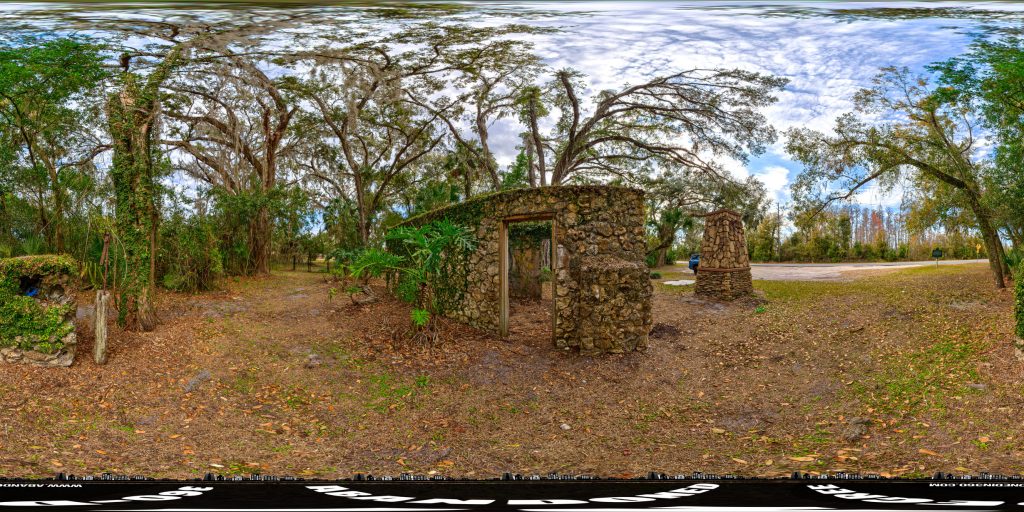
A 360-degree panoramic image captured at the Dupree Gardens ruins in Land O’ Lakes, Florida. Photograph by the Abandoned in 360 URBEX Team.
Welcome to a world of exploration and intrigue at Abandoned in 360, where adventure awaits with our exclusive membership options. Dive into the mysteries of forgotten places with our Gold Membership, offering access to GPS coordinates to thousands of abandoned locations worldwide. For those seeking a deeper immersion, our Platinum Membership goes beyond the map, providing members with exclusive photos and captivating 3D virtual walkthroughs of these remarkable sites. Discover hidden histories and untold stories as we continually expand our map with new locations each month. Embark on your journey today and uncover the secrets of the past like never before. Join us and start exploring with Abandoned in 360.
Equipment used to capture the 360-degree panoramic images:
- Canon DSLR camera
- Canon 8-15mm fisheye
- Manfrotto tripod
- Custom rotating tripod head
Do you have 360-degree panoramic images captured in an abandoned location? Send your images to Abandonedin360@gmail.com. If you choose to go out and do some urban exploring in your town, here are some safety tips before you head out on your Urbex adventure. If you want to start shooting 360-degree panoramic images, you might want to look onto one-click 360-degree action cameras.
Click on a state below and explore the top abandoned places for urban exploring in that state.
You might also like