Abandoned Lil 500 Go Karts in Maitland, Florida – A Historic Urban Exploration Adventure
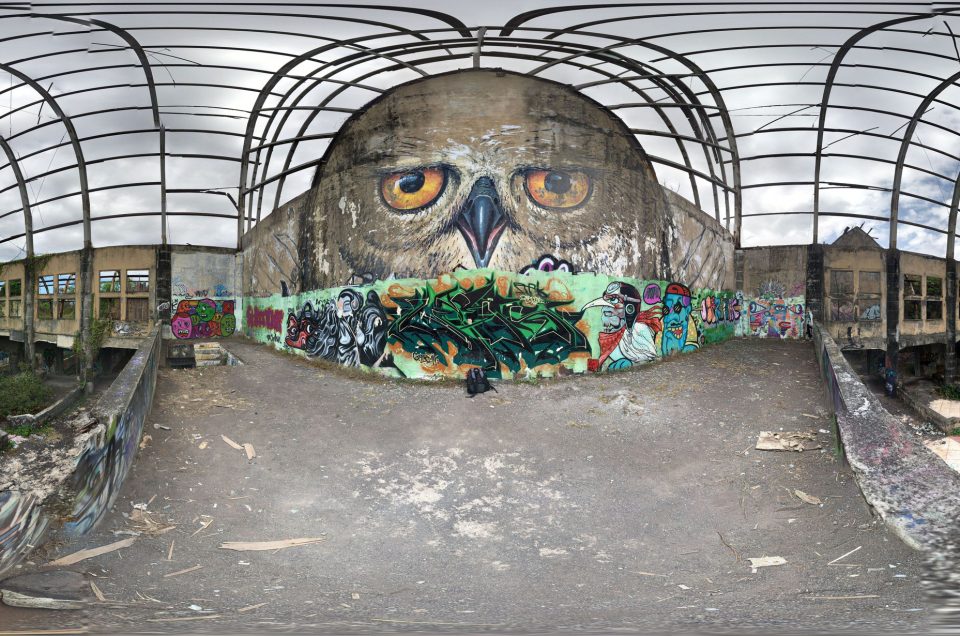
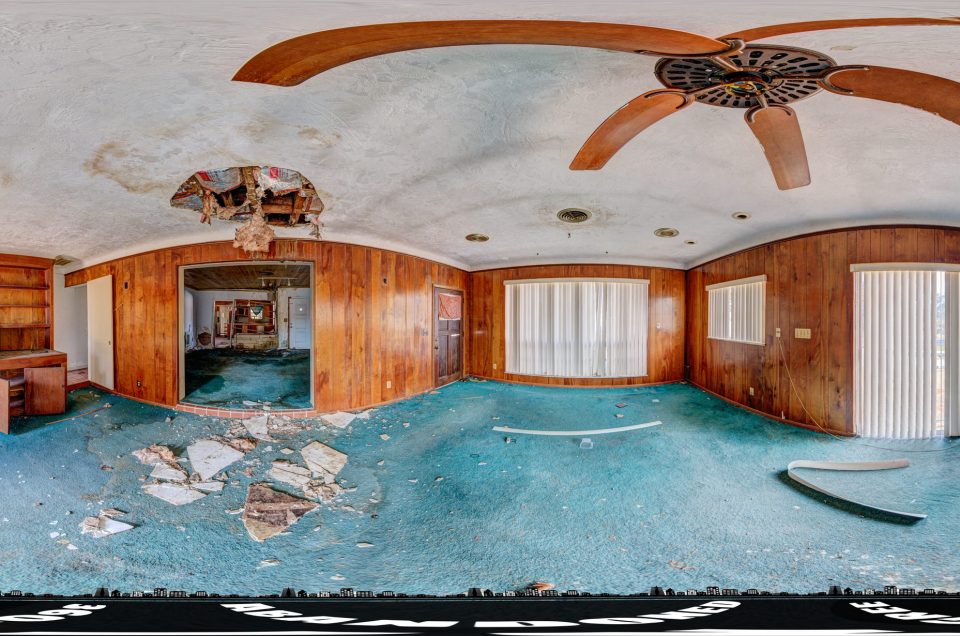
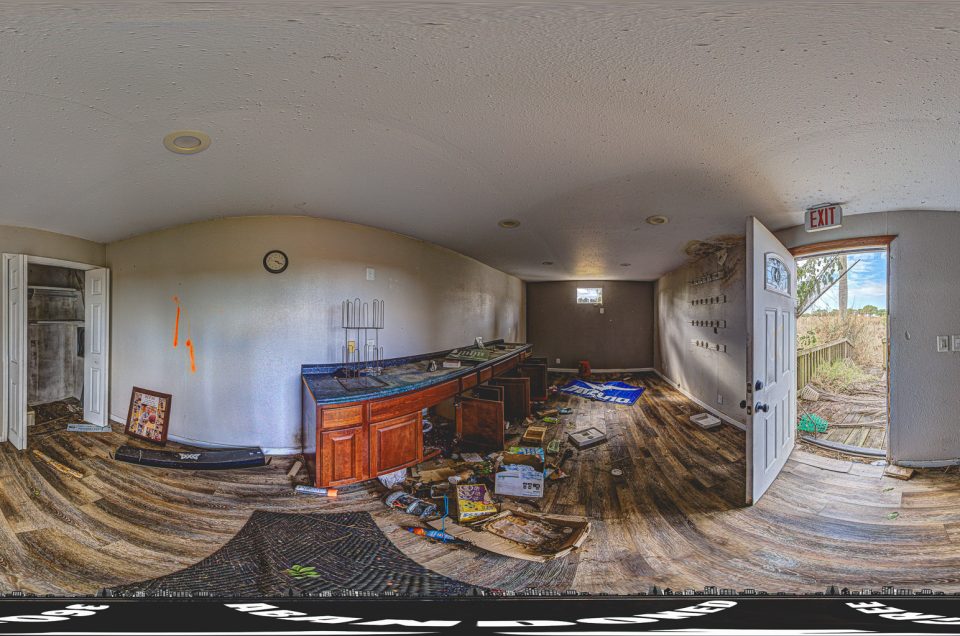
Take a closer look at the abandoned lil-500-go-karts in Central Florida through the interactive virtual tour below. Once a place built for speed, laughter, and weekend thrills, the site now sits quiet—an eerie snapshot of how quickly entertainment destinations can fade when time and change move on.
Inside the tour, you’ll find 17 panoramic images that let you explore the property in detail, from trackside views to the overlooked corners most people miss. For urban explorers, lil-500-go-karts offers a rare blend of nostalgia and decay—an easy-to-understand visual story of what remains after the crowds disappear.
Click here to view it in fullscreen.
A Lost Legend of Florida Fun
Hidden just outside Orlando in the suburb of Maitland, Florida, lies an abandoned attraction that has captured the imagination of urban explorers worldwide. The Lil 500 Go Karts park, once alive with the roar of engines and laughter, now sits silent and overgrown – a relic of a bygone era. For over half a century, Lil 500 was a beloved destination for family fun and adrenaline in Central Florida. Now, its faded tracks and empty pits offer a different kind of thrill: the allure of urban exploring in Florida. This site is a treasure for URBEX enthusiasts – those intrepid explorers who seek out abandoned places – and its story is as winding as the tracks themselves. In this blog post, we’ll delve into the full saga of Lil 500 Go Karts: from its construction in the late 1960s and its glory days of racing, to the reasons behind its closure and abandonment, and what it’s like to explore this iconic spot today. Grab a helmet (and perhaps a flashlight) as we race through the history and mystery of Lil 500, an abandoned in Florida landmark that’s equal parts nostalgic and adventurous.
Racing Back in Time: Origins of Lil 500 Go Karts
Every legend has a beginning, and for Lil 500 Go Karts, it all started in the optimistic late 1960s. Ron and Mary Kline, a hardworking couple with a knack for business, moved their family to the Orlando area in 1967 with a dream. They sensed opportunity on the horizon – literally, as Walt Disney World was under construction and set to open in a few years. The Klines decided to create an attraction of their own, something that would ride the wave of Florida’s coming theme park boom while offering accessible fun for locals and tourists alike. The result was Lil 500 Go Karts, a go-kart racetrack built on U.S. Highway 17-92 in the Maitland/Fern Park area, strategically located between Orlando’s attractions and the Daytona International Speedway.
On February 1, 1968, Lil 500 officially opened its doors (or rather, its tracks) to the public. The timing was perfect – Lil 500 actually predated the opening of Disney World (which would open in 1971) and even the big theme park boom in Central Florida. This made Lil 500 one of the original local attractions, a pioneer of fun in an era when Orlando was just starting to become a tourism capital. The name “Lil 500” itself was a playful nod to famous races like the Indianapolis 500 or Daytona 500, indicating that this was a “little” speedway for the average Joe to enjoy.
Construction of the track in 1967 was a passionate project for the Kline family. Ron Kline, having run other go-kart tracks up north, envisioned recreating the thrill of a professional speedway on a smaller scale. In fact, Lil 500’s main track was designed as a miniature version of the Daytona International Speedway, complete with banked turns and even a pit lane area reminiscent of the famous NASCAR track. This attention to detail gave the place a truly exciting atmosphere – drivers could imagine themselves as pro racers zooming around a mini-Daytona. It was this blend of big-race excitement in a family-friendly size that set Lil 500 apart from the start.
When opening day came on Feb 1, 1968, locals flocked to experience Central Florida’s newest attraction. Go-karts zipping around tight curves were a relatively novel thrill at the time, and Lil 500 offered accessible fun for all ages. Little did anyone know, this family-run park would endure for nearly 54 years of operation, outlasting countless other attractions and witnessing the dramatic growth of Orlando’s tourism industry around it. The stage was set for a long, memorable run in the fast lane of Florida’s roadside recreation.
The Golden Era: 50+ Years of Go-Karting Fun
Once Lil 500 Go Karts revved to life in 1968, it quickly became a staple of local family entertainment. For generations of Floridians (and visitors), a trip to Lil 500 was a cherished tradition. The park was modest in size but bursting with excitement. It wasn’t a slick corporate theme park – it was old-school fun, with a charming do-it-yourself vibe that only added to its character.
At the heart of Lil 500’s appeal were its go-kart tracks – and there were more than one. Over the years, the Kline family expanded and adapted the facility to cater to different ages and skill levels. Eventually, Lil 500 featured three distinct go-kart tracks, each with its own style and challenge. There was a Family Track, the slowest and gentlest circuit, where parents could ride with younger kids in double-seat karts or let the little ones try solo drives in extra-safe karts. Next was often referred to as the Moto Track (or medium track), suitable for older kids (around 8 and up) and casual drivers – a bit faster and twistier, giving a taste of speed without being too intense. And then there was the crown jewel for speed demons: the Fastrac, the fastest track intended for teens and adults, complete with tighter turns and higher speeds for an adrenaline-pumping experience. This tiered track system meant Lil 500 had something for everyone – whether you were a cautious beginner or an aspiring racer, you could find your comfort zone and have a blast.
In the early years, Lil 500 wasn’t just about go-karts – it experimented with other attractions to enhance the fun. One legendary addition was the giant spiral slide. Imagine a towering metal slide with multiple waves (humps) that you could zoom down on a mat – thrilling and a little scary, the kind of classic amusement that left kids both terrified and eager for another turn. This slide became the stuff of local lore; many who grew up in the 1970s have fond (and hair-raising) memories of climbing up and speeding down its undulating surface under the Florida sun. For a young child, that big galvanized steel slide was as unforgettable as any roller coaster. Urban exploring in Florida often uncovers such retro rides long after they’ve closed, but at Lil 500 the slide lasted a good while before time caught up with it. By the 1980s, maintenance and safety concerns meant the iconic slide had to be phased out – the protective coating on the metal wore off, rust set in, and eventually it was reduced to only two usable lanes before the owners removed it entirely for safety’s sake. While it was sad to see it go, this decision likely prevented potential injuries – a testament to the family’s care for their patrons’ well-being.
Another fascinating chapter in Lil 500’s golden era involves a figure who would later become famous in the amusement industry: John Arie, Sr. (the future founder of the Fun Spot America theme parks). In 1968, a teenage John Arie worked at Lil 500 as a $40-a-week go-kart attendant, learning the ropes of the business. By the next year, he had taken on more responsibility and actually operated a mini-bike track at Lil 500 from 1969 to 1975. Yes, Lil 500 had a separate track for mini-bikes (small motorbikes) during that period – think of it as a dirt track where kids and teens could ride mini motorcycles. This mini-bike track added another dimension of fun and attracted the two-wheeled crowd. John Arie’s involvement is a remarkable footnote: the skills and passion he cultivated at Lil 500 undoubtedly contributed to his later success in building Fun Spot, one of Orlando’s popular amusement parks. It’s a small-world example of how this humble kart track influenced the wider world of Florida attractions. Lil 500 gave John Arie and many others their start in the industry – truly a historic significance for those in the know.
Throughout the 1970s, 80s, 90s and beyond, Lil 500 Go Karts kept rolling strong. Unlike flashy theme parks that continuously added the newest high-tech rides, Lil 500 took a “if it ain’t broke, don’t fix it” approach. The Kline family maintained the tracks and karts diligently but didn’t significantly change the formula – and that was a good thing. The place retained a nostalgic, old Florida roadside attraction charm. Generations of Orlando-area kids celebrated birthdays at Lil 500’s picnic tables, parents brought their children to experience the same simple joys they remembered from their own youth, and tourists who stumbled upon it got a refreshing taste of classic American fun.
The atmosphere was relaxed and welcoming. Staff often consisted of the Kline family members themselves or local teens enjoying a cool job. Regulars would note that the staff were friendly and laid-back, contributing to the family atmosphere. The cost of fun remained very affordable even in later years – for a long time rides were just $4 per ticket per ride on any track, making it one of the best bargains in town for entertainment. The karts were gasoline-powered, low-tech compared to modern electric ones, but that smell of gas and rubber and the rumble of the engines was all part of the authentic experience. In a region dominated by corporate theme parks, Lil 500 stayed proudly independent and homespun.
Lil 500 became ingrained in local culture. It was the site of countless first driving experiences, first tastes of speed, and friendly family competitions. Schools might have outings there, summer camp groups visited, and it was a rite of passage for many Central Florida teens to eventually graduate from the kiddie track to the fast track. Because it opened before Disney and all the major parks, Lil 500 holds the distinction of being one of Central Florida’s longest-running attractions. It survived eras of change: the opening of Disney World and Universal Studios, the rise and fall of other karting centers and fun parks (like Fun ‘N Wheels in the 1980s), and the massive growth of the Orlando area around it. Through it all, Lil 500 Go Karts remained in its little pocket of Maitland, offering uncomplicated fun while the world around became more complicated.
A Family Operation Through and Through
One of the keys to Lil 500’s extraordinary longevity was that it was a true family business at heart. From day one, it was owned and operated by the Kline family, and that personal touch was evident in every aspect of the park. Ron and Mary Kline set the tone with a simple but important philosophy: “Treat the customers right – especially the moms – and keep the ladies’ room clean.” It might sound amusing, but this mantra speaks volumes about their approach. They knew that if families (and especially mothers) felt comfortable and happy at the facility, they’d keep coming back. Mary Kline herself was often on-site, making sure standards were upheld and chatting with guests. The Klines poured their hearts into Lil 500, and it showed.
As the years went on, the next generation of Klines became involved. Their son Randy Kline grew up at the track – literally. By his early teens, Randy was helping out (as remembered in a story of him at 13 years old operating that giant slide and wondering if he’d ever get a lunch break!). Lil 500 was Randy’s life work; he eventually took over managing and running the day-to-day operations from his parents. Other siblings and in-laws were involved too: in later years Randy’s brother-in-law, Robert Cirilo, handled maintenance of the karts and the track, and his sisters Kathy and Connie helped with operations and bookkeeping. Even Randy’s own son contributed by maintaining the website and marketing. In short, by the 2010s, multiple generations of the family were keeping Lil 500 on track (pun intended).
This tight-knit operation had many benefits. For customers, it meant a warm, personal touch – the people running the place had a genuine emotional investment in it. Regular visitors got to know the Klines by name. The family was known to be hands-on: you might see Randy out there tuning up an engine, or Mary handing out tickets and comforting a nervous child, or other members sweeping up and making sure everyone was having a good time. There were no big corporate rules or cold bureaucracies here – decisions were made on site, with common-sense and customer care in mind.
Being a family business also meant stability and consistency. Over 50+ years, while management teams at other attractions came and went, Lil 500’s leadership remained essentially the same family. That consistency helped maintain the park’s identity. However, it also meant that when challenges arose, the burden was very personal. The Klines weathered economic recessions, oil crises (important when your business literally runs on gas-fueled go-karts!), the explosion of competition from high-tech entertainment, and even the COVID-19 pandemic in 2020. By all accounts, they handled these with resilience. During the pandemic, for instance, being an outdoor venue likely helped Lil 500 remain a relatively safe activity, and local families supported the business when tourism temporarily dried up.
Yet, time catches up with everyone. Running go-kart tracks is hard physical work – maintaining engines, resurfacing tracks, keeping up with safety and regulations, and supervising energetic guests day after day, year after year. It’s the kind of labor of love that can wear down even the most dedicated. By the late 2010s, the Kline family members were aging into their 60s and beyond, and some of the original founders were in declining health. In fact, both Ron and Mary Kline (the patriarch and matriarch of Lil 500) passed away around 2020-2021, within about a year and a half of each other. This was a heavy blow – not only personally for the family, but for the business’s continuity. Ron and Mary had been the guiding lights of the track; their loss was deeply felt in the atmosphere of Lil 500.
Randy Kline, who had essentially been the face of Lil 500 for decades, found himself at a crossroads. He had effectively been running the place and had even postponed his own retirement plans to keep it going as long as possible. But the question loomed: who would take over after him? His own children had different careers and lives; running a go-kart park is not a light commitment, and none were in a position to carry on the full responsibility. Lil 500 was very much a family legacy, and it was becoming clear that there was no next-generation family member ready to step into the role of owner-operator.
The Klines faced a classic small-family-business dilemma. They could try to sell the business to an outsider – but would a new owner maintain the same spirit? And was there even a buyer out there willing to invest in an old go-kart track that might require modernization? For a while, ideas floated around. Loyal fans even mused about crowdfunding a purchase, and some interested investors looked into it. However, as Randy noted, running a go-kart track is a rough business that many underestimate. The few prospective buyers who did approach didn’t follow through once they realized the amount of work (and likely the costs of upgrades or insurance) involved. The family was also understandably protective of the legacy – they didn’t want to hand it over to just anyone who might bulldoze the place immediately.
So, by 2021, the writing was on the wall: after an incredible run spanning more than five decades, Lil 500 Go Karts would finally be coming to the finish line of its operational life. It was a decision made with heavy hearts but clear minds. As Randy Kline put it, “It’s time to just worry about life a little bit more than making a living, quite honestly.” In other words, the family realized they had given so much of their lives to the business; now it was time to take care of themselves, enjoy their retirement years, and remember Lil 500 with pride rather than run themselves ragged trying to keep it going indefinitely.
The Final Lap: Closure After 54 Years
In late 2021, rumors of Lil 500’s impending closure started swirling among Orlando locals and nostalgia groups. Many couldn’t believe that this Central Florida institution would actually shut down – it had been around literally since the 1960s! But the news became official in early January 2022. Lil 500 Go-Karts announced that it would close permanently on Saturday, January 8, 2022, just shy of its 54th anniversary. The announcement was made via the park’s website and Facebook page, where the management wrote a heartfelt note thanking Central Florida for “supporting our family business since Feb 1st 1968” and urging fans to come out for one more ride.
The reaction from the community was immediate and emotional. For many, Lil 500’s closing felt like losing a piece of their own childhood. Local news media picked up the story, referring to Lil 500 as an “iconic” attraction and a “Maitland staple” that had provided racing memories for generations. Plans were made by families and former patrons to visit during the final days. And indeed, in the week leading up to January 8, crowds descended on Lil 500 for a last chance to take a spin on those karts.
That final Saturday was something special. The line stretched down the block with eager fans waiting for one more go-around on the track. Young kids, teens, parents, even grandparents – a huge mix of people – all showed up to celebrate and to mourn the end of an era. Longtime visitors swapped stories in line about their memories there: first dates at the track, birthday parties, the time someone’s crazy uncle spun out and caused a pile-up on a turn, and so on. It was like a living reunion of everyone who had been touched by this little park.
Randy Kline and his family were there, of course, overseeing the operations with misty eyes. Watching the karts take their final laps was deeply poignant for them. “Oh my gosh, we’ve all been crying for the last week!” Randy admitted when interviewed. He and his sisters and brother-in-law took turns waving the checkered flag for final races and thanking customers personally. Regular employees, about ten of them, faced the day with a mix of smiles and tears – some had worked there for years and felt like part of the family, and they too were now having to say goodbye to a job and place they loved.
By 7 p.m. on January 8, 2022, the checkered flag waved for the last time at Lil 500. The final kart rolled into the pit, the engines were turned off, and just like that, a Central Florida legend crossed the finish line. It was an emotional moment – hugs, a few speeches of gratitude, and many photos were taken to mark the occasion. Some families literally drove from other states to be there that day, showing how much the place meant to people. Riders young and old savored every moment of that last ride. One visitor, who had moved out of Florida years ago, said he was “so glad to be here one last time” to share it with his child, reliving a piece of his own youth.
Local news cameras captured the scene of the final laps. The story aired on TV and online: “After 54 years, Lil 500 Go-Karts is closing”. Many viewers commented that it felt like losing a family friend. But alongside the sadness was a sense of celebration – not every business gets to go out on such a high note, with the community rallying to show their appreciation. The Kline family expressed immense gratitude to the loyal locals who had kept them going for so long, noting that while tourists came and went, it was really the repeat visits by Orlando-area residents that sustained Lil 500. In interviews, Randy Kline simply said “Thank you. We would not have lasted this long if it weren’t for locals.”
As the dust settled (literally, as the smell of exhaust dissipated in the cooling evening air of January 8th), the question lingering in everyone’s mind was: what happens next? For the family, the immediate plan was rest – they jokingly said they’d take a much-needed vacation, then come back together and figure out the future. For fans, there was curiosity and concern about the fate of the property. Would someone buy it and keep it as a track under a new name? Or would it be redeveloped into something entirely different? At the time of closing, Randy Kline confirmed that the property had not been sold yet and there were no concrete plans – they simply felt this was the right time to close, and decisions on the land would come later.
In the aftermath, a thoughtful gesture emerged: A GoFundMe page was set up to help the ten employees who were losing their jobs find their feet. This showed the sense of community around Lil 500 – even as the business ended, people cared about the individuals behind it.
With the operation ceased, Lil 500 Go Karts was now officially an abandoned site. But unlike a sudden closure from bankruptcy or disaster, this one was a planned and well-heralded send-off. That meant, initially, the property wasn’t in disarray – it was simply closed. The karts were parked neatly, the lights turned off, and the gates locked. However, as days turned to weeks and months, nature and time began to transform the once lively park into an eerier, quieter place.
From Checkered Flags to Silence: Why It Was Abandoned
Understanding why Lil 500 was abandoned (i.e., closed and left unused) involves piecing together the factors we’ve discussed. Importantly, there was no scandal or catastrophe that brought down Lil 500 – a fact that distinguishes it from some other abandoned attractions. The park did not close due to financial ruin, a tragic accident, or legal troubles. Instead, it was a gradual, human decision driven by personal circumstances and the passage of time.
The primary reason, as stated by the owners, was retirement with no successor. After 54 years of relentless work, the family simply needed to step away and there was no one in the younger generation willing or able to continue the business. Running a go-kart track is not a passive investment; it’s an active, daily grind. The Klines, who were by then in their 60s and even 70s, had earned a rest. It’s poignant to note that Lil 500 nearly made it to its 54th birthday – “just shy of 54 years” as their note said. In effect, the park lived an entire lifetime along with its founders, and as they aged out, so did the operation.
Contributing to this was the lack of a buyer interested in taking it over as-is. Often when a beloved local business closes, we wonder, “Why didn’t someone else buy it and keep it going?” In Lil 500’s case, there were indeed talks and interest, but apparently nobody came forward with a solid plan. Some challenges likely deterred buyers: The site and equipment were aging and would need significant investment to modernize (imagine updating 50-year-old tracks or converting gas karts to newer tech). There might also have been insurance and liability considerations – go-kart tracks carry risk, and an older facility might face higher insurance premiums unless upgraded. Additionally, zoning and land value played a role. The property sits on a prime piece of real estate along a busy highway, and the land alone had become very valuable after decades of development around it. A buyer may have been more interested in the land for redevelopment than in the old kart business.
In fact, as the Reddit rumor mill churned when closure was announced, some insiders noted that strict zoning restrictions would have made it hard for the Klines (or any new owner) to significantly change or expand the facility without a costly overhaul – possibly one that could reduce the number of tracks or require new permits. Essentially, Lil 500 was grandfathered in under old regulations; any major renovation might trigger compliance with modern codes (parking, drainage, noise, etc.), which could be prohibitively expensive or even unfeasible on that site. This meant that the business was kind of frozen in time – it worked fine as it was, but if you wanted to update it, you might have to rebuild from scratch. That certainly made the prospect of buying it less attractive to investors looking for a quick turn-key operation.
Another factor in its abandonment was the personal loss and fatigue the family experienced. With Ron and Mary gone and Randy having stepped back, the emotional core that sustained the park was diminished. The sparkle of running the place had understandably dimmed without the original founders’ presence. In interviews, Randy Kline’s voice carried the weight of that emotion – he spoke with gratitude but also a clear sense that the fun had run its course for the family. When the heart goes out of a family business, continuing on can feel impossible. The Klines did not want to continue at half-throttle or see the quality slip; they preferred to end on a high note while everything was still running smoothly and their reputation was intact.
So, in summary, Lil 500 was abandoned by choice, not by force. It’s a somewhat bittersweet but also respectful ending. The park didn’t crumble in disgrace; it took a bow and closed gracefully. This means the story of its abandonment is not one of scandal at all, but rather one of a changing of eras. If anything, the “scandal” is that time catches up with even our most cherished institutions – a scandal we all face eventually. The lack of any notorious event or controversy in Lil 500’s history is actually a point of pride. For over five decades, there were no major accidents, no lawsuits splashed across headlines, no scandals attached to the name. Lil 500 maintained a clean, family-friendly image throughout its life. Its legacy is one of wholesome fun, which is perhaps why its closure struck a chord – we lost something pure and positive, a rarity in today’s fast-changing, often tumultuous entertainment landscape.
Eerie Transformation: The Abandoned Site Today
After the cheers and tears of the final day faded, Lil 500 Go Karts entered a new chapter – that of an abandoned relic quietly resting in the Florida sun. For those driving by on US 17-92 now, the scene is strikingly different. The once bustling parking lot is empty, the gates are chained shut, and a forlorn silence hangs over the property where engines used to rev and kids used to squeal with delight.
In the months following closure, nature began reclaiming the grounds. Tall weeds poked through the cracks in the asphalt of the tracks – the same pavement that had been kept meticulously smooth for racing was now sprouting greenery. Without daily care, Florida’s climate works quickly: sunshine, rain, and humidity have a way of causing an explosion of plant life in any untended space. The neatly painted tire barriers that lined the tracks have started to fade and topple. Some have been knocked out of formation, perhaps by vandals or maybe just strong winds; others remain in place but are now partially obscured by vines and brush. The overgrown look intensifies with each passing season, giving the track a almost post-apocalyptic vibe, as if racers vanished mid-competition and the wilderness rushed in to take over.
Peer through the chain-link fence (which still runs around the property perimeter) and you’ll see the skeleton of Lil 500’s former self. The three tracks are still clearly visible, their shapes unchanged – an oval here, a curvy loop there – but their surfaces are dull and littered with fallen leaves and twigs. The central pit area and ticket office structure still stand, now gathering dust. The little building that once sold tickets and snacks, painted in bright colors, has graffiti scrawled on one side and peeling paint on the other. Signs that used to proclaim “Lil 500 – Family Track” or list the track rules are likely still around, albeit hanging at an angle or faded beyond legibility. A keen eye might spot remnants like old racing scoreboards, light poles (probably no longer powered), or the metal rails where queues of excited riders once formed.
One thing you won’t see much of are the go-karts themselves. When the park closed, presumably the Karts – about 33 go-karts the facility owned – were removed or sold off. Indeed, enthusiasts speculated that the karts might be sold at auction or privately; some people half-joked about buying one as a keepsake. It’s a safe bet that the Klines sold the operational karts, since there’s no point leaving valuable machines to rust. So the tracks are empty of vehicles, which adds to the eerie stillness. An abandoned racetrack without any racers is a haunting sight – it’s like a stage without actors, waiting in vain for a show that will never resume.
For locals, passing by Lil 500 now can be a melancholy experience. Many have reported feeling a pang of sadness seeing the once-cheerful place in such disrepair. But at the same time, this transformation into an abandoned site has given Lil 500 a new kind of intrigue. It’s now a piece of “living” history, frozen in time. One can almost hear the echoes of laughter and kart engines if they listen hard enough while standing at the fence line.
Not long after closure, photos of the abandoned Lil 500 began circulating in online urban exploration groups and social media. One striking description by a photographer noted that “the Lil’ 500 Go Kart Track lies abandoned… a fun place for families for over 50 years – now a sad place for tall weeds and discarded stuff.” Indeed, pictures showed the tracks being overtaken by grass, the once-gleaming kart chassis (if any left behind) gathering rust, and the whole area bathed in the golden glow of late afternoon, looking beautiful and forlorn. It’s the kind of scene that is both tragic and strangely artful, the way abandoned places often are.
An interesting development is the future of the site. By mid-2022, news emerged that a developer had plans for the property. The 1.5-acre lot at 150 Atlantic Drive, where Lil 500 sits at the corner of 17-92 and Atlantic, was eyed for a completely new purpose: a self-storage facility. A Winter Park-based development firm (The Nuvo Co. LLC) applied to build a three-story, nearly 92,000-square-foot self-storage building on the site, to be named “Atlantic Drive Self Storage”. This plan, if approved, would obviously spell the end of the physical remnants of Lil 500 – the tracks would be torn up to make way for rows of storage units. As of the time of that report (May 2022), it was a proposal in the works.
For now, however, as of the latest updates we have (well into 2025), the site still appears to be in its abandoned state. It’s unclear if construction has begun or not (sometimes these projects take a while to get permits and financing). Urban explorers considering a visit should be aware that at any point the property could be sold and redevelopment could commence, which might involve security patrols or demolition crews. It’s a reminder that abandoned places often have an uncertain lifespan – they can sit untouched for years, or they can vanish practically overnight when development moves in. So, the window of opportunity to see Lil 500 in its current overgrown form may be limited.
An Urban Explorer’s Paradise (With a Dose of Caution)
For fans of urban exploring in Florida, the abandoned Lil 500 Go Karts is a tantalizing location. Urban exploration (often abbreviated URBEX) is all about discovering off-limits or forgotten places, and photographing or experiencing them in their decayed beauty. Lil 500 offers exactly that kind of atmosphere – it’s a slice of vintage Americana slowly being reclaimed by nature.
Imagine walking through the silent grounds where you once heard kids squealing with joy. The midday Florida sun filters through overhanging tree limbs onto the cracked pavement. A stray old helmet, dropped and forgotten, might lie in a corner (who knows what bits and pieces remain). The smell of oil and rubber has faded, replaced by the earthy scent of weeds and dirt. You step carefully to avoid fire-ant mounds that have appeared near the track barriers. In the quiet, the slightest sound – a rustle in the bushes or the clank of a loose sheet of metal on the snack bar roof – can set your heart racing. It’s equal parts peaceful and spooky.
For photographers, this is a dream canvas. The juxtaposition of bright Florida sky with the rusting, aging amusement infrastructure makes for dramatic shots. Graffiti artists have likely left their marks on a few surfaces, adding splashes of color and urban grit to the scene. The symmetry of the tracks (once carefully engineered for racing) now presents an aesthetic contrast against the disorder of nature encroaching. Every broken sign, every bent rail is a story and a prop for the imagination. You can almost stage in your mind the ghostly race of karts zooming past – but all that remains is stillness.
However, anyone tempted to hop the fence should heed caution. Firstly, the property is private, and technically trespassing is illegal. The Kline family still owned it initially, and if they still do until it’s sold, they have the right to secure it. Even if they aren’t actively monitoring it, neighbors or police could. Urban explorers value stealth and respect – the goal is usually to document, not to vandalize or disturb. A common Urbex creed is “Take nothing but pictures, leave nothing but footprints.” That should certainly apply here. Unfortunately, some explorers or vandals do sometimes take souvenirs (a “No Kart” sign or an old tire might seem like a cool memento) or cause damage, which is not in the true spirit of URBEX. We encourage respect for the site and its legacy.
Beyond legality, safety is a concern. An abandoned go-kart track might not sound as dangerous as, say, an old factory or hospital, but it has its risks. The ground can be uneven; there may be sharp metal edges on broken fences or railings. If the small buildings (like the office or garage) are accessible, they could have critters inside – Florida is home to snakes, spiders, and other wildlife that love quiet overgrown spots. One might encounter wasp nests under eaves, or even a curious raccoon making a daytime visit. And let’s not forget the possibility of lingering fuel or chemicals – there might be old oil cans or gasoline residue in sheds, which can be hazardous if spilled. Always tread carefully, wear sturdy shoes, and ideally don’t go alone. Having a buddy is URBEX 101 for safety in case of an accident.
If you do manage to legally get permission or otherwise decide to explore (hypothetically), the best time to experience such a site is during daylight, for safety and for photos. Florida’s weather can also dictate conditions – heavy summer rains could flood parts of the track or make the ground mucky, while dry winters leave it dusty but easier to navigate.
For those unable to visit in person, plenty of urban explorers have shared photos and videos online. A quick search on Instagram or YouTube might reveal walkthroughs of Lil 500’s remains, giving you a virtual tour. These often showcase exactly how time has affected the place: for instance, you might see that the old ticket booth still has the pricing sign ($4 a ride) intact, or that the pavilion where parents could sit is now littered with leaves but the picnic benches remain standing. It’s oddly reassuring to see that some structures withstand the elements, as if holding on to the memories.
Urban exploration of Lil 500 is a journey not just through a physical space but through memory lane. Many explorers who visit have personal connections – maybe they rode here as a kid and are now returning as an adult to see it one more time in a different light. The emotional aspect is as palpable as the physical exploration. In this sense, exploring Lil 500 is also an act of preservation: by photographing and sharing it, explorers help ensure that the legacy of Lil 500 lives on, even after the site might be gone.
Legacy of Lil 500: More Than Just a Track
Now that the engines have long cooled and the site sits quiet, what is the enduring legacy of Lil 500 Go Karts? In the context of Florida’s ever-evolving landscape of attractions – where one day a roadside Gator Farm gives way to a mini-mall, or an old amusement park becomes condos – Lil 500’s story stands out. It wasn’t a flashy enterprise, it didn’t make anyone insanely rich, and it never had giant billboards or mascots. Yet, it achieved something truly remarkable: it etched itself into the hearts of countless people.
For Central Floridians, Lil 500 represents the way things used to be. It’s a symbol of a more innocent time, when entertainment could be as simple as steering a wobbly go-kart around a track on a summer afternoon. It harkens back to the pre-digital age – no VR headsets, no smartphone apps, just the sun on your face and the wheel in your hands. In an area dominated by high-tech theme parks, Lil 500 was charmingly analog. And that very quality is why its memory shines so bright. People treasure their personal anecdotes from Lil 500: the time Grandpa decided to race and hilariously got stuck in a corner, or when a group of friends held an impromptu “Grand Prix” for bragging rights. These stories have been shared at dinner tables and on social media, and they bring smiles every time.
The park’s longevity also means it became part of local history and culture. When something is around for over 50 years, it weaves into the fabric of the community. Lil 500 predated Disney, survived the opening of SeaWorld and Universal, and was still going when newer attractions like the Orlando Eye (Ferris wheel) came up. It’s almost poetic – in the race of Central Florida attractions, where many flared up and then fizzled out within a decade, Lil 500 just kept chugging along steadily, like the tortoise in the fable outlasting the hares. That consistency built trust and fondness in the community.
There’s also a legacy in terms of influencing the industry. As mentioned, industry figures like John Arie, Sr. got their start at Lil 500. It’s very likely that other amusement professionals – whether ride mechanics, operators, or managers – had some connection or formative experience at Lil 500. It served as a kind of informal training ground for understanding the nuts and bolts of family entertainment. In that way, Lil 500’s DNA might live on in other parks and attractions through the people it inspired.
Furthermore, Lil 500’s story has been documented by local media and now by blogs like this one, meaning future generations can learn about it even if they never get to see it. It has become part of the lore of Orlando. Just as people reminisce about the old Mercury Motel or the Citrus Tower’s early days, they will reminisce about Lil 500 – “Hey, remember that little go-kart place on 17-92? Man, I loved it when I was a kid!” Those who weren’t there might hear these stories and feel a pang of nostalgia by proxy, or at least appreciate that Orlando wasn’t always just mega-parks; it had these small gems too.
In the urban exploration community, Lil 500’s legacy is significant as well. It’s a prime example of an abandoned in Florida site that encapsulates a broader theme: the life cycle of entertainment venues. Urbex explorers often document abandoned theaters, water parks, etc., to tell the story of changing social patterns and economic shifts. Lil 500 tells the story of how family-run venues face succession issues and how even beloved places must bow to time. The images of its decaying tracks will likely appear in “then and now” comparisons, history books, or online galleries about abandoned Florida attractions. In that sense, Lil 500 transcends its own story and becomes a lesson or symbol – reminding us that behind every abandoned place was something that mattered to people.
And speaking of lessons, there’s a sweet one here: go enjoy things while they last. Many visitors who rushed to Lil 500 in its final days admitted they hadn’t been in a while – they always assumed it’d be there next year. The closure was a wake-up call that nothing is permanent. That realization has perhaps spurred people to cherish other local institutions more actively. The legacy of Lil 500 might be that other family-run fun centers (bowling alleys, mini-golfs, etc.) see a surge in appreciation as people say, “We don’t want this to disappear like Lil 500 did!”
In conclusion, the abandoned Lil 500 Go Karts stands as a testament to a unique slice of Floridian history. Its construction in 1967-68 marked a visionary step by a family that saw the potential of Central Florida fun. Its operating duration of 54 years speaks to the success and love that kept it going. Its activities – from multiple go-kart tracks for all ages to the iconic giant slide – provided simple, genuine joy. The reasons for its closure and abandonment – mainly familial retirement and changing times – remind us that even good things need an end. And through it all, it managed to avoid scandals and instead accumulate goodwill, leaving behind only happy memories and a tinge of sadness that all good times must end.
For urban explorers and nostalgia buffs, Lil 500’s deserted grounds are a playground of reflection and discovery. Whether you explore it in person (legally and safely, one hopes) or through photographs, you can’t help but feel the spirit of the place linger. In the silence, you might imagine the laughter echoing and the go-karts whizzing by, and for a moment, the past comes alive amid the weeds. That blend of past and present is exactly what makes urban exploration in Florida so compelling – and Lil 500 Go Karts is now enshrined as one of those compelling spots.
So, here’s to Lil 500: a little track that raced its way into our hearts, now taking a well-earned rest. Its story will race on, in legend and in memory, for many years to come.
If you liked this blog post, you might be interested in learning about the Rivers State Prison in Georgia, the Santa Fe Railroad Terminus at Point Richmond in California, or the abandoned Knoxville College in Tennessee.
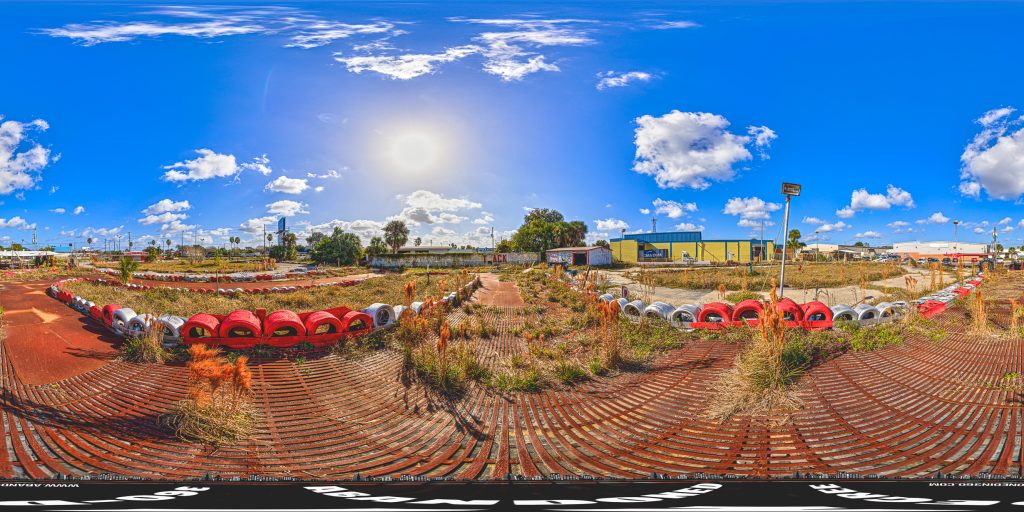
A 360-degree panoramic image at the abandoned Lil 500 Go Karts in Maitland, Florida. Photo by the Abandoned in 360 URBEX Team.
Welcome to a world of exploration and intrigue at Abandoned in 360, where adventure awaits with our exclusive membership options. Dive into the mysteries of forgotten places with our Gold Membership, offering access to GPS coordinates to thousands of abandoned locations worldwide. For those seeking a deeper immersion, our Platinum Membership goes beyond the map, providing members with exclusive photos and captivating 3D virtual walkthroughs of these remarkable sites. Discover hidden histories and untold stories as we continually expand our map with new locations each month. Embark on your journey today and uncover the secrets of the past like never before. Join us and start exploring with Abandoned in 360.
Equipment used to capture the 360-degree panoramic images:
- Canon DSLR camera
- Canon 8-15mm fisheye
- Manfrotto tripod
- Custom rotating tripod head
Do you have 360-degree panoramic images captured in an abandoned location? Send your images to Abandonedin360@gmail.com. If you choose to go out and do some urban exploring in your town, here are some safety tips before you head out on your Urbex adventure. If you want to start shooting 360-degree panoramic images, you might want to look onto one-click 360-degree action cameras.
Click on a state below and explore the top abandoned places for urban exploring in that state.
You might also like